
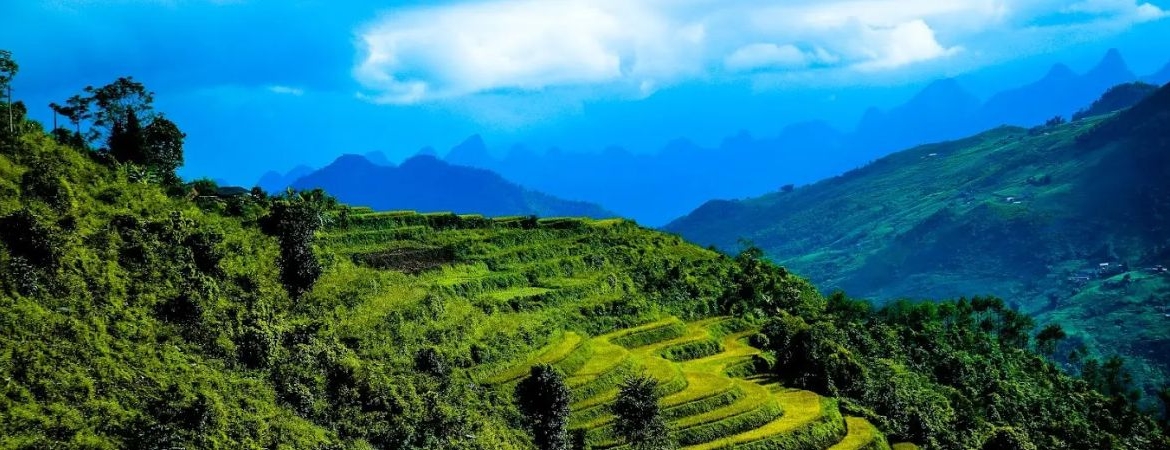
Dong Van: The North Vietnam Trip You’ll Brag About Later
Overview of Dong Van
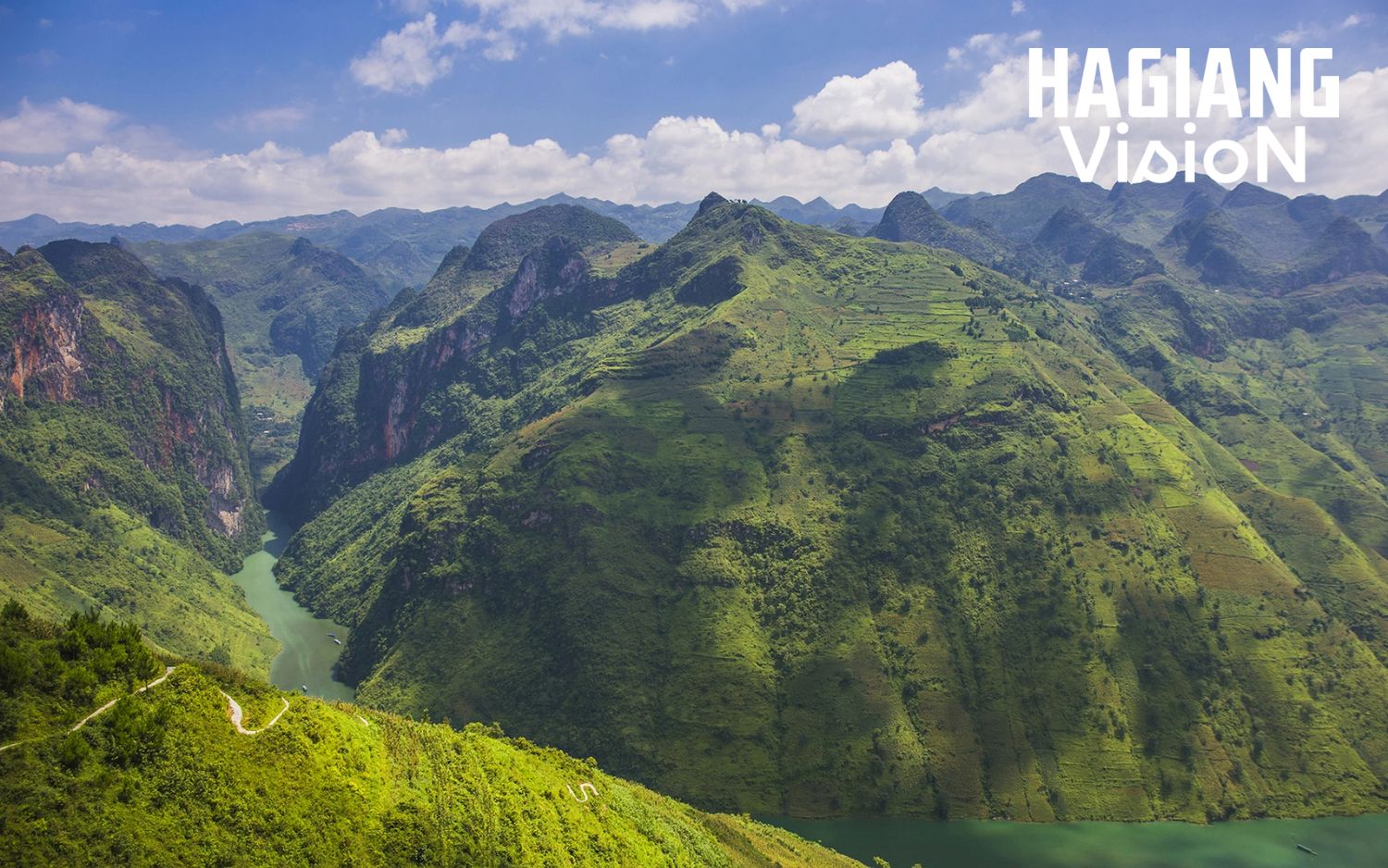
This is one of the most iconic destinations in Northern Vietnam, known for raw landscapes, ethnic culture, and historic mountain towns.
Where is Dong Van?
Sitting in Ha Giang Province, right near Vietnam’s northern border with China, Dong Van is part of the famous karst plateau region and belongs to the globally recognized Dong Van geopark, known for geological formations dating back hundreds of millions of years.
How to get to Dong Van?
To get here, travelers usually follow two main stages. First, you travel Hanoi to Ha Giang City by sleeper bus or limousine van, with most buses departing in the evening and taking about 6 to 7 hours.
Ha Giang City, you continue to Dong Van, which is about 100 to 120 km away and usually takes around 4 to 5 hours due to mountain roads with steep slopes and winding passes, but the scenery along the way is extremely impressive.
Where to visit in Dong Van
This town is packed with natural wonders and cultural landmarks, making every short drive on the Ha Giang Loop feel like entering a new mini universe.
Dong Van Old Town
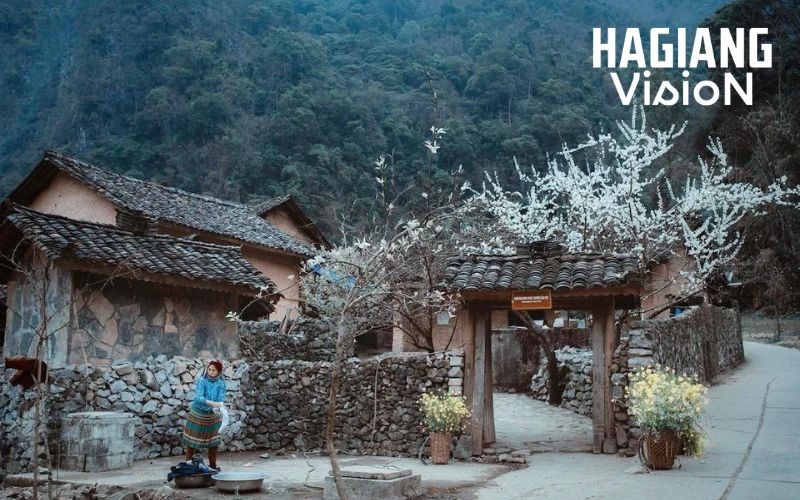
Right in the center of Dong Van town, this old quarter preserves over a century of history through stone houses, tiled roofs, and lantern-lit streets. At night, the warm lights and quiet cafés create a relaxed atmosphere perfect for walking and soaking in local culture.
Tham Ma Pass
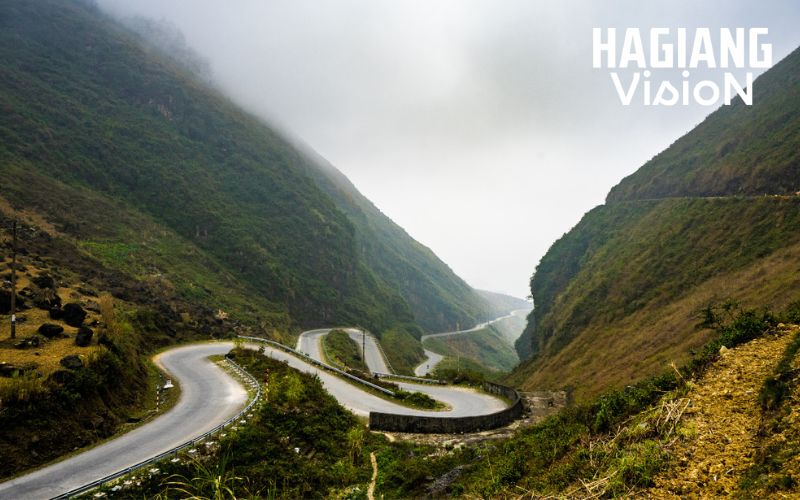
Further along the route, Tham Ma Pass is famous for dramatic mountain curves and panoramic viewpoints. the top, you can see the road looping through valleys below, making it one of the most iconic photo stops in the region.
Dong Van Geopark
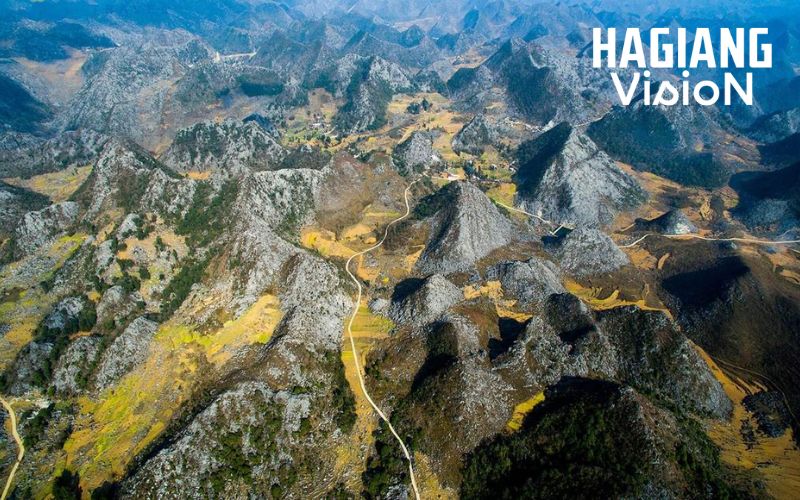
Recognized by UNESCO, Dong Van geopark showcases ancient limestone formations, fossils, and unique ecosystems shaped over millions of years. Traveling through this area feels like moving across geological history, surrounded by dramatic rocky mountains and vast highland valleys.
Vuong Palace (Meo King’s Place)
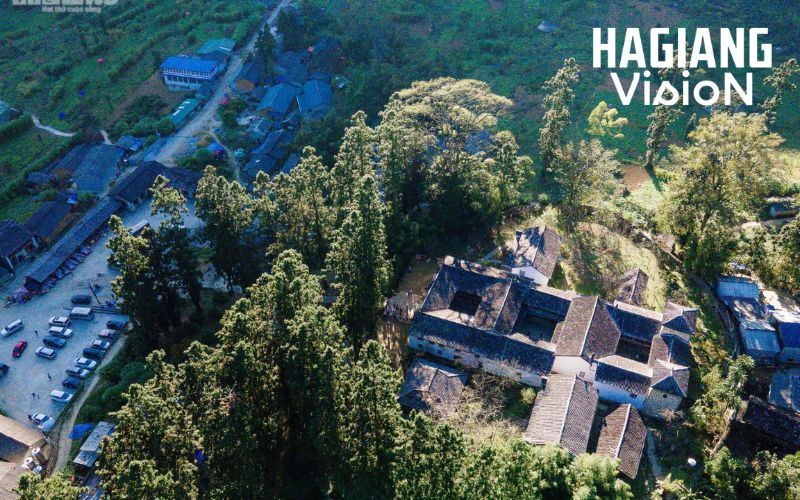
Hidden inside Sa Phin Valley, Vuong Palace was once home to a powerful Hmong royal family. The building combines Chinese and Hmong architectural styles, and today it stands as a historical site reflecting political power and cultural heritage of the region.
Nho Que River
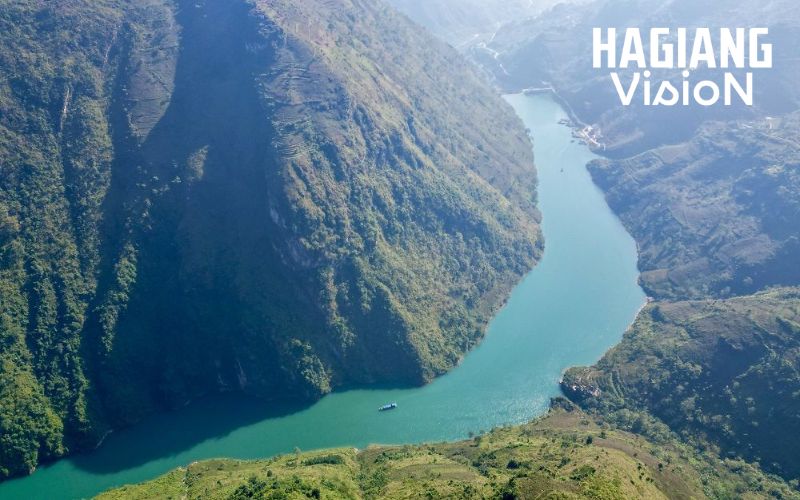
Flowing through the famous Tu San Canyon, Nho Que River stands out with bright emerald water and towering cliffs. Boat rides here offer a peaceful yet dramatic experience, surrounded by vertical rock walls rising hundreds of meters above the river.
Lung Cu Flag Pole
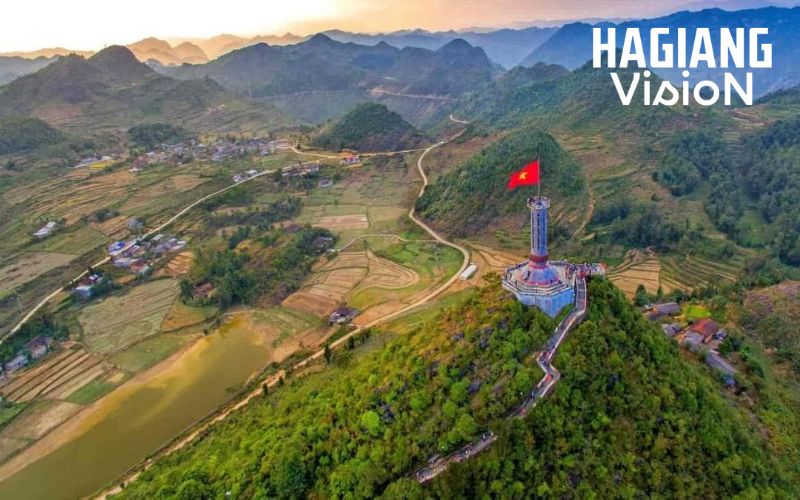
Near Vietnam’s northern border, Lung Cu Flag Pole marks the country’s northernmost point. After climbing the steps, visitors reach a panoramic viewpoint overlooking border mountains, with the large national flag creating a powerful symbolic and emotional moment.
Pao’s House
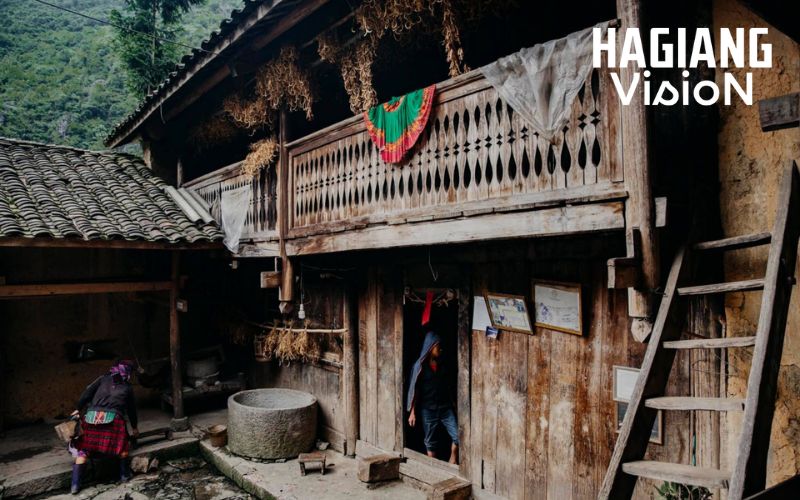
Known Vietnamese cinema, Pao’s House is also a real traditional Hmong home. The yellow clay walls, wooden doors, and stone courtyard show authentic daily life in highland villages and reflect traditional building techniques still used today.
Sung La Valley
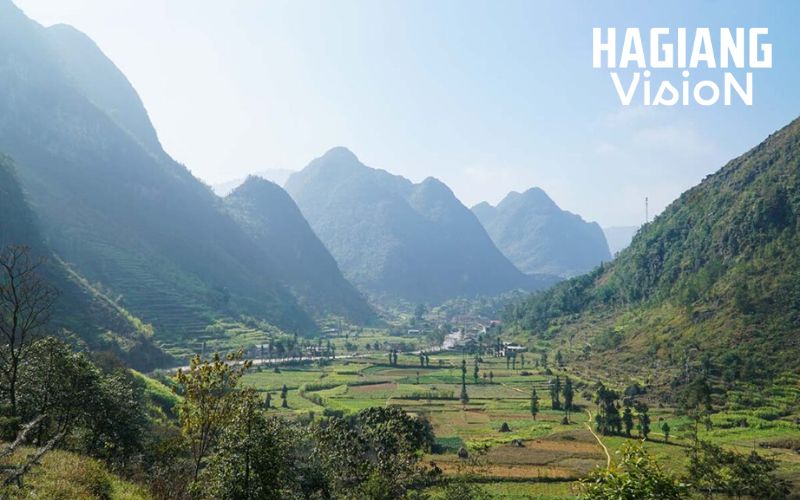
Located between mountain ranges, Sung La Valley offers peaceful villages and seasonal flower fields. During buckwheat season, the valley turns pink and white, creating one of the most photogenic and gentle landscapes within the rugged plateau.
Pho Bang Town
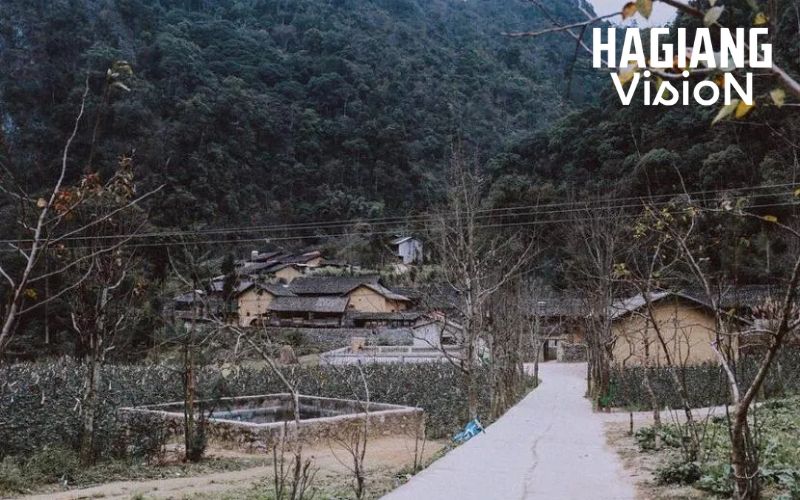
Closer to the China border, Pho Bang Town feels frozen in time with quiet streets, clay houses, and faded shop signs. The slow pace and low tourist crowds make it ideal for travelers who want a more authentic and peaceful mountain town atmosphere.
What to eat in Dong Van
Local food here is simple, local, and deeply connected to mountain life.
- Au Tau porridge
A warm herbal porridge made a local root. Slightly bitter but super comforting, especially in cold mountain weather.
- Steamed rice rolls
Unlike southern versions, the rice rolls here are typiccaly thicker and usually eaten with broth and herbs. Perfect breakfast fuel before mountain riding.
- Buckwheat cake
Made buckwheat grown across Dong Van geopark. Slightly nutty flavor and often grilled or steamed.
- Floating rice cakes
Soft rice balls filled with sweet mung bean. Light dessert energy but still traditional and local.
- Steamed ground corn (traditional Hmong corn dish)
Corn is a staple crop here. Ground corn is steamed a fluffy, slightly sweet dish eaten with savory sides.
Strong Vietnamese coffee but often served in small mountain cafés with insane views. Coffee here hits different when clouds are literally below you.
What to notice when travelling to Dong Van
Travel here is unforgettable, but mountain terrain means good planning can seriously improve your overall travel experience.
- Check the weather before you go. Weather here flips fast, especially in winter and early spring, so pack layers and a light rain jacket to stay comfy.
- Bring enough cash! Small towns and villages rarely accept cards, and ATMs can be far apart, so cash means a stress-free travel mode.
- Start your travel days early. Morning light hits different in the mountains, and roads are safer with better visibility before fog rolls in.
- Respect local culture and dress modestly. This is home to many ethnic communities, so dress simply and always ask before taking photos of people.
- Try local food, even if it’s new to you. Local dishes are a huge part of the experience, and trying them is lowkey the fastest way to connect with locals.
Final Thoughts
Dong Van is not just another mountain destination. It’s a place where landscapes, culture, and history collide something unforgettable. If you want raw Vietnam energy, this stunning place belongs on your list. Plan smart, go slow, and let it surprise you.
Have 0 comment, evaluate Dong Van: The North Vietnam Trip You’ll Brag About Later
Xin chào quý khách. Quý khách hãy để lại bình luận, chúng tôi sẽ phản hồi sớm