
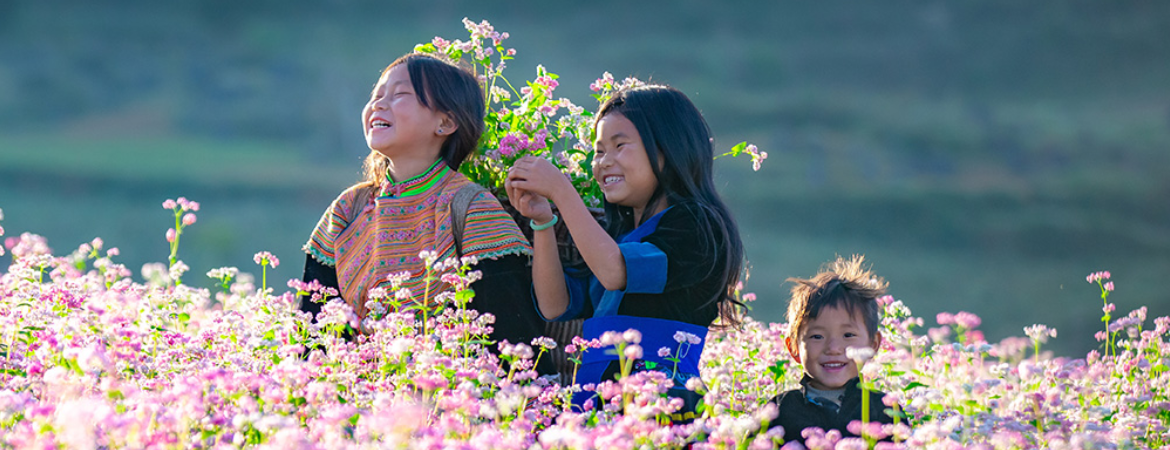
Ha Giang Culture: A Picture Of Vietnam Traditions And Ethnic Life
Ethnic Diversity in Ha Giang
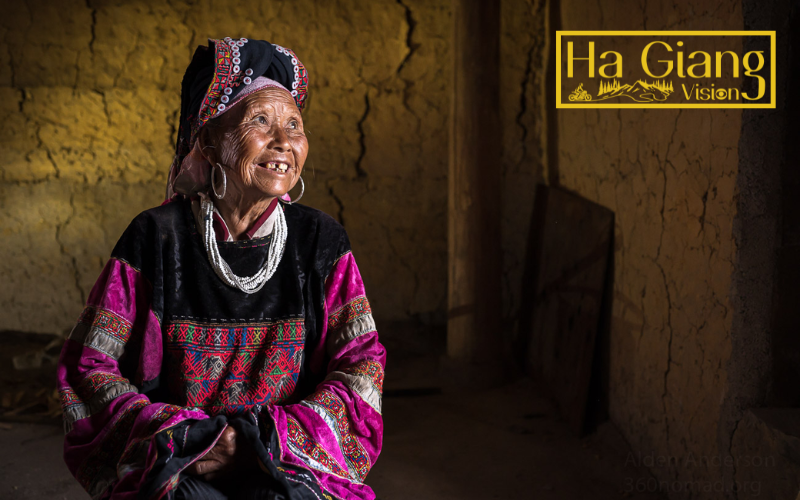
One of the most defining aspects of Ha Giang culture is its ethnic diversity. The province is home to 19 ethnic groups, each with its own history, language, and way of life. This rich mix has shaped both the landscape and the traditions, making Ha Giang one of the best places to experience authentic culture in Vietnam.
Some of the ethnic communities in Ha Giang include:
H’Mong - The H’Mong are the largest ethnic group in Ha Giang, easily recognized by their colorful embroidered clothing and terraced farming techniques. Their markets, music, and vibrant festivals are central to local life.
Tay - The second-largest community, the Tay traditionally live in stilt houses near rivers and valleys. They are skilled farmers and storytellers, and their folk songs remain an important part of culture in Viet Nam.
Dao (Yao) - Known for their red headscarves, silver jewelry, and herbal medicine traditions, the Dao maintain spiritual practices deeply connected to nature.
Nùng - Another significant community, the Nùng people are known for their farming skills and traditional crafts, particularly weaving and indigo-dyed clothing.
Giáy - Living mostly in valleys, the Giáy people are known for their festivals, folk dances, and colorful attire.
And so many others, who are preserving rare customs that contribute to the broader customs and traditions of Vietnam.
Festivals and Traditional Celebrations
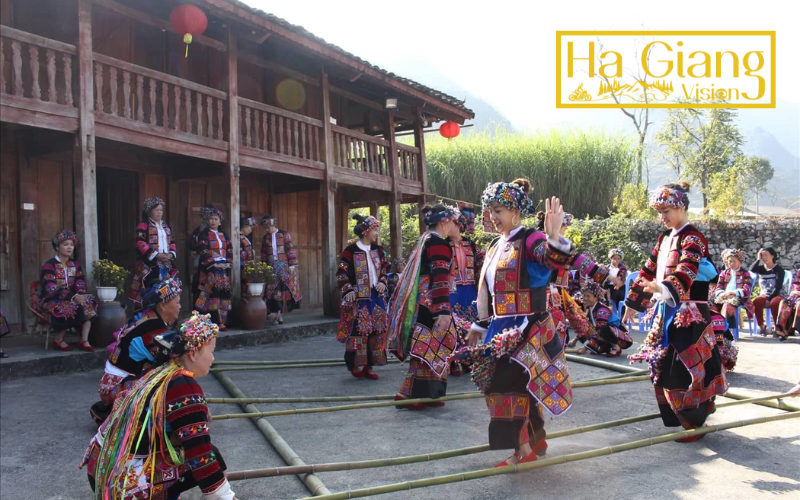
Festivals play a central role in Vietnam culture, especially Ha Giang, reflecting community spirit, seasonal cycles, and the deep-rooted traditions of each ethnic minority here. They are not only occasions for celebration but also windows into the heart of Vietnamese culture.
Some of the most notable festivals include:
Khau Vai Love Market - An once-a-year gathering where past lovers reunite in Meo Vac.
Buckwheat Flower Festival - A colorful celebration of blossoms, music, and local food.
Lunar New Year (Tet) - Unique rituals and costumes highlight the customs and traditions of Vietnam.
Harvest Festivals - Ceremonies of gratitude to nature after the farming season.
Gau Tao Festival (H’Mong) - A prayer ceremony for health, prosperity, and good harvests.
Long Tong Festival (Tay people) - A “going to the field” ritual marking the start of the farming year.
Local Food
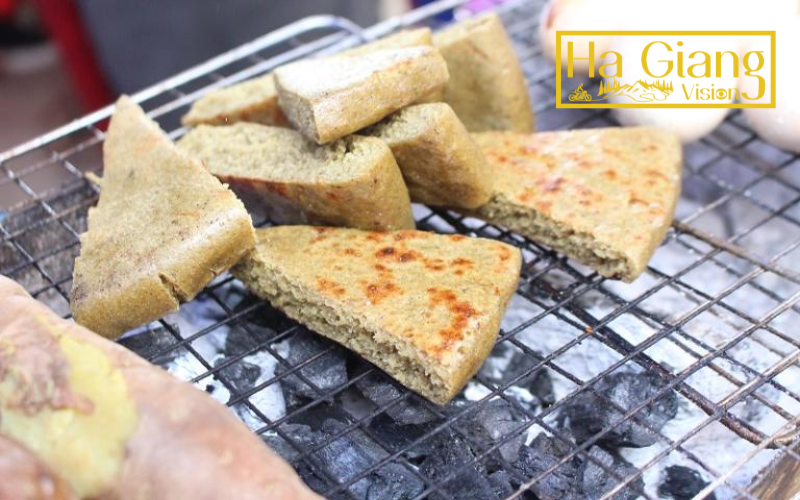
Another essential part of culture in Vietnam's northern mountainous areas is cuisine, offering travelers a direct taste of mountain traditions. Local food reflects both the rugged landscape and the resourcefulness of the people, making every meal a cultural experience.
Travelers should not miss these local specialties:
Steamed corn flour - A daily staple of H’Mong families.
Horse meat stew - A traditional dish often enjoyed at markets.
Corn wine - A strong liquor symbolizing hospitality and friendship.
Smoked pork - Preserved meat hung above kitchen fires, common in Tay households.
Buckwheat cake - A fragrant cake made from buckwheat flour, sold at festivals.
Dried buffalo meat - A smoky, savory snack favored in highland communities.
Five-colored sticky rice - A festive Tay and Dao dish symbolizing prosperity.
Traditional Handicrafts
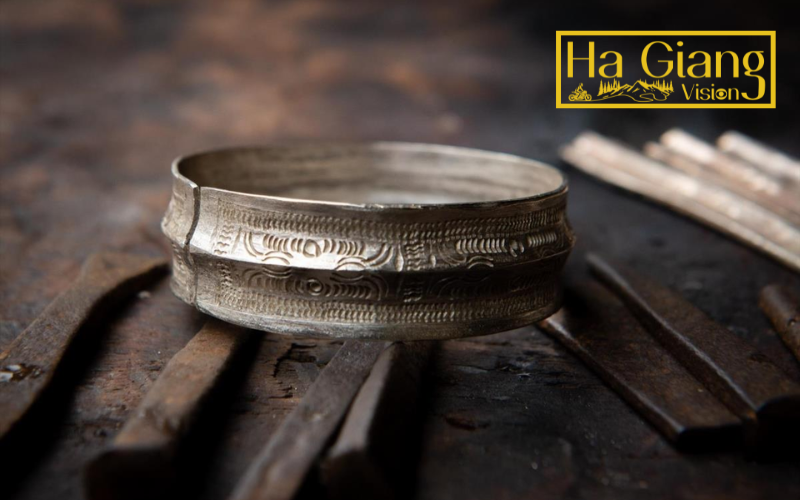
Handicrafts are a living expression of Ha Giang, showing the creativity and identity of different ethnic minorities. These products are not just practical items but also carry stories about heritage and the customs and traditions of Vietnam.
Some of the most distinctive handicrafts include:
Brocade weaving - Intricate patterns dyed with natural colors by H’Mong and Dao women.
Indigo dyeing - Unique deep-blue clothing made by the Nùng and Tay.
Handmade bamboo baskets - Used for farming and daily life, crafted with skill and patience.
Silver jewelry - Traditional Dao accessories symbolizing wealth and identity.
Wood carving - Decorative motifs for household items, reflecting spiritual beliefs.
Stone tools and ornaments - Carved objects used in both work and rituals.
Markets - The Heart of Social Life
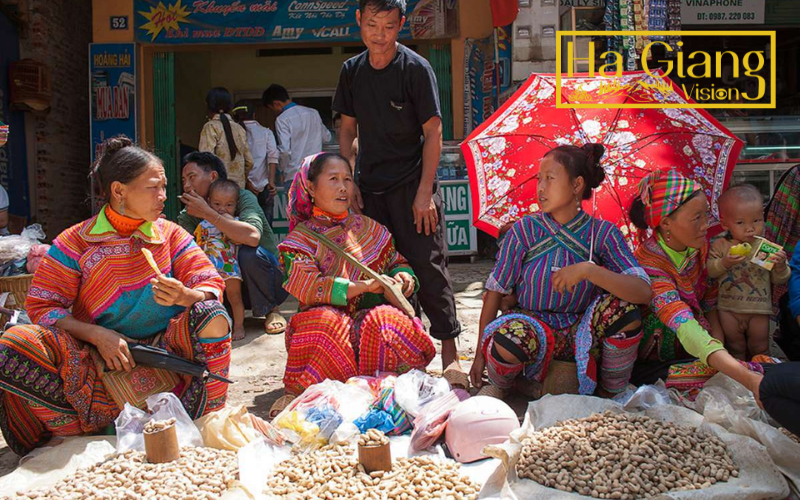
When exploring the northern highlands, markets are the most vibrant gateways into Ha Giang culture. More than places of trade, they are colorful social gatherings where ethnic minorities exchange goods, share news, and celebrate the spirit of Vietnamese culture.
Some of the most famous markets to experience in Ha Giang include:
Dong Van Market - A Sunday gathering filled with colorful costumes, food stalls, and lively bartering.
Meo Vac Market - Famous for livestock trading, handmade textiles, and traditional food.
Lung Phin Market - A small but authentic market where many ethnic groups meet weekly.
Quan Ba Market - Known for fresh produce, farming tools, and handicrafts.
Pho Cao Market - Less touristy, offering an authentic glimpse into everyday rural life.
Sa Phin Market - Located near the H’Mong King’s Palace, blending trade with history.
Architecture
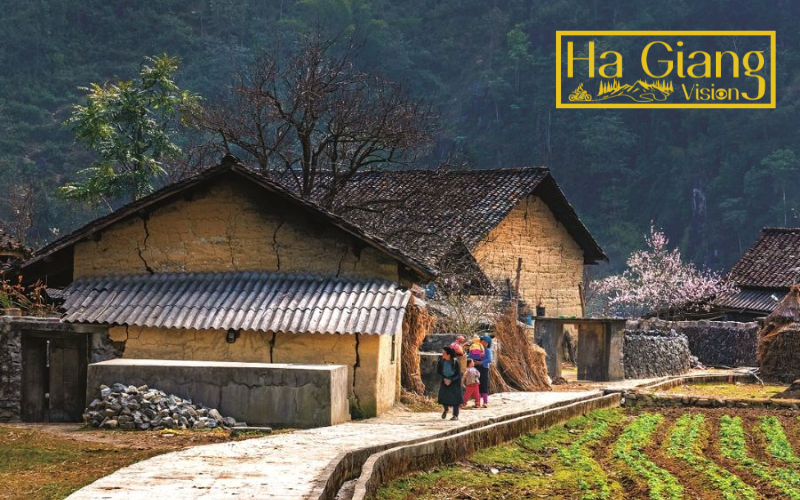
The architecture of Ha Giang reflects a part of Vietnam culture and the harmony between people and the rugged highland environment. Each ethnic group adapts their homes to the landscape, creating unique yet practical structures that also express identity and heritage.
Some remarkable architectural styles you can find in Ha Giang are:
Stilt houses - Built by the Tay and Nùng, raised above the ground to avoid floods and wild animals.
Stone houses - Found in Dong Van, made from clay or stone walls that keep interiors cool in summer and warm in winter.
Earthen wall houses - Common among the H’Mong, with thick walls for insulation and protection.
Conclusion
Ha Giang culture is more than stunning roads and panoramic views—it is the heartbeat of the province, experienced through its people, festivals, meals, and crafts. For travelers seeking authentic connections, this is where the customs and traditions of Vietnam feel most alive. Explore beyond the landscapes, connect with the people, and create memories that go deeper than any photo.
Ready to experience it yourself? Discover the richness of Vietnam culture through a series of immersive activities with Ha Giang Vision.
Have 0 comment, evaluate Ha Giang Culture: A Picture Of Vietnam Traditions And Ethnic Life
Xin chào quý khách. Quý khách hãy để lại bình luận, chúng tôi sẽ phản hồi sớm