
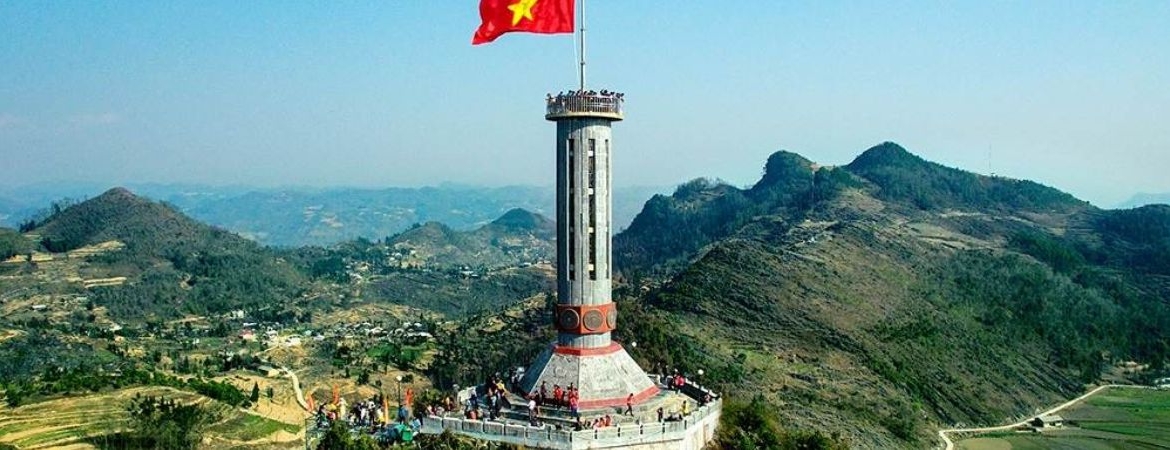
Ha Giang Trekking Tour: A Short Trip Wild Mountains
Overview of Ha Giang Trekking Tour
The trekking tour often combines mountain hiking, village homestays, and cultural discovery, creating a deeper travel experience compared to classic sightseeing routes.
- Duration
Most trekking tour options can be completed in 1 day, focusing on nearby valleys, rice terraces, and ethnic villages. A one-day Ha Giang trekking experience is ideal for travelers with limited time.
- Price
A typical trekking tour in Ha Giang costs around 100 USD per person for one full day. This price usually includes guide service, meals, village entry fees, and basic trekking Hà Giang support logistics.
Who Should Choose a Ha Giang Trekking Tour
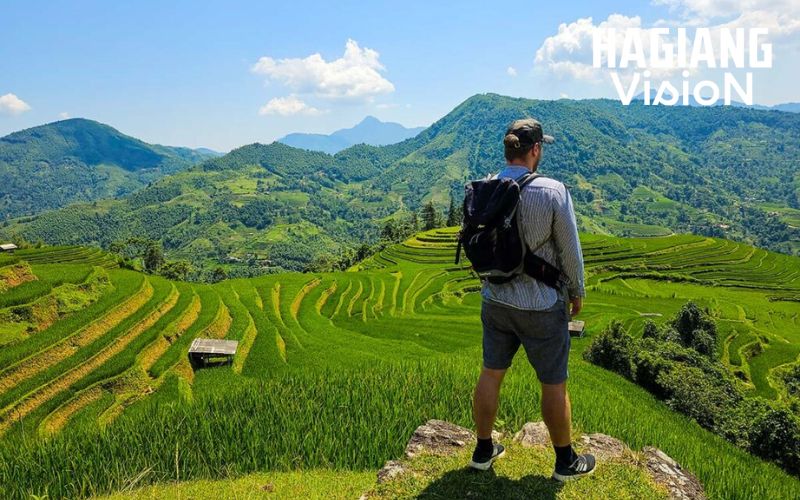
This style of travel is perfect for people who want adventure while still feeling safe, supported, and culturally connected to local communities.
Travelers who prefer slow, immersive adventure experiences
Instead of rushing between viewpoints, hiking allows you to notice small details like farming routines, local markets, and daily village life rhythms.
Nature lovers wanting remote mountains and raw landscapes
The region offers limestone mountains, deep valleys, bamboo forests, and terraced fields. Seasonal changes make the landscape look completely different throughout the year.
Culturally curious travelers interested in ethnic village life
Many hiking routes pass through communities such as Hmong, Dao, Tay, and Lo Lo villages, where traditions are still part of daily routines.
Active travelers comfortable with multi-day hiking routes
While many routes are beginner friendly, travelers should be comfortable walking several hours across uneven terrain.
See also: Ha Giang Loop 2 days
See also: Ha Giang Loop 3 days
See also: Ha Giang Loop tour 4 days
What to Expect During a Ha Giang Trekking Tour
With experienced local operators at Ha Giang Vision, your trekking tour in Ha Giang will be structured to balance safety, culture, and scenic exploration.
Daily Trekking Distance and Difficulty Levels
Most daily routes typically range 8 to 15 kilometers depending on terrain, elevation, and trail conditions. Some paths follow valley floors with gentle slopes, while others include gradual mountain climbs leading to panoramic viewpoints, creating a balanced experience suitable for beginners with basic fitness preparation.
Homestay Stays vs Remote Mountain Lodges
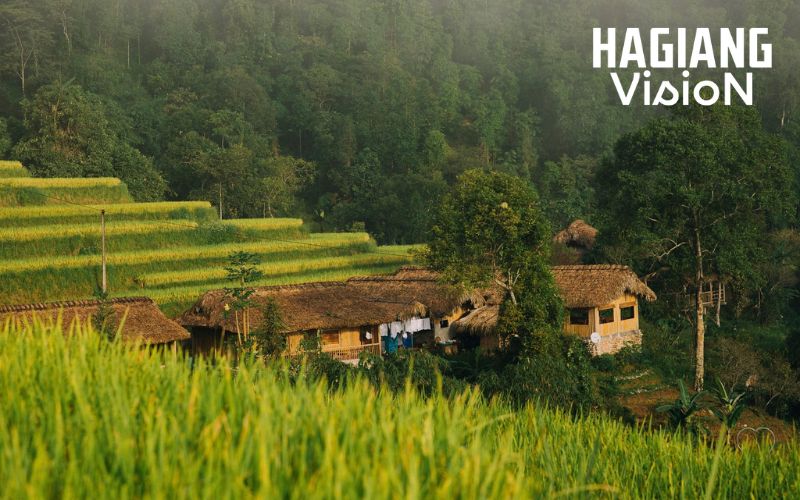
Accommodation during trekking journeys usually focuses on authenticity and local connection. Traditional homestays allow travelers to experience wooden houses, family meals, and daily routines. Some upgraded routes may include eco-lodges, offering private rooms, better facilities, and added comfort while still maintaining strong local character.
Local Food and Village Life Experiences
Meals are usually prepared by local families using fresh regional ingredients. Travelers can expect seasonal vegetables, mountain herbs, tofu dishes, pork specialties, and homemade rice wine. Beyond food, visitors often witness farming activities, animal care, and traditional cooking methods passed through generations.
Meeting Ethnic Communities and Cultural Etiquette
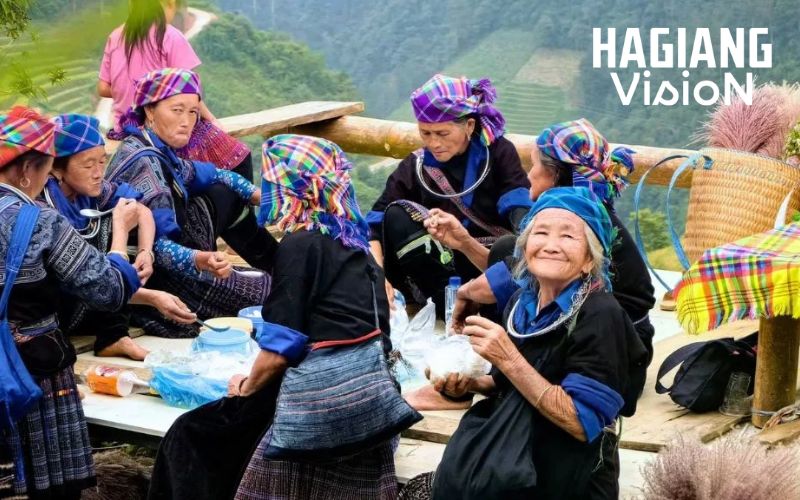
Respectful interaction is very important when visiting ethnic villages and meeting ethnic minorities here. Local guides help explain greeting customs, appropriate clothing, and photography etiquette. Visitors are encouraged to ask permission before taking photos and to respect family spaces, helping create positive cultural exchange and meaningful human connections.
Seasonal Weather and Trail Terrain Conditions
Weather conditions vary significantly depending on season and altitude. Spring and autumn provide comfortable temperatures and clear trekking visibility. Summer landscapes become extremely green but humid, while winter can bring misty valleys, colder air, and dramatic mountain scenery that feels quiet and atmospheric.
What to Prepare for a Mountain Trekking Experience
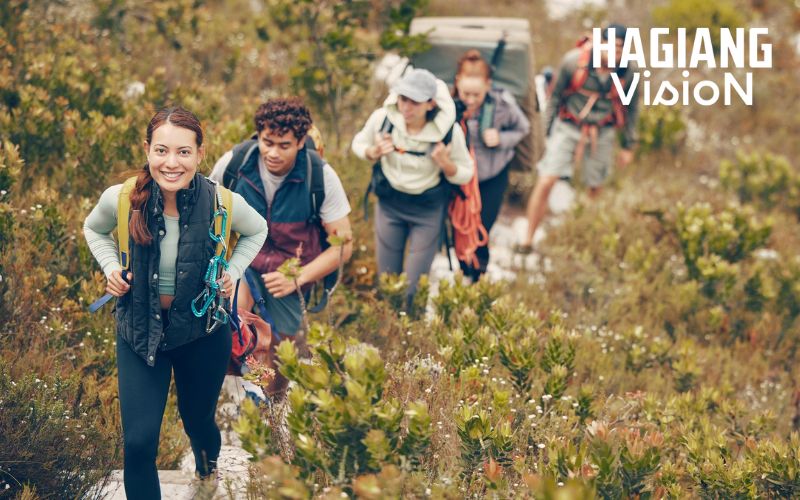
Preparation improves comfort, safety, and overall enjoyment, especially for travelers new to mountain hiking environments.
Trekking Shoes – Strong grip shoes help you move safely on rocky paths, dirt slopes, and uneven mountain terrain during long hiking hours.
Layered Clothing – Wearing layers helps you adjust easily because mountain temperatures can change quickly between morning, afternoon, and higher elevation areas.
Water Bottle and Day Backpack – Carrying water and essentials is important since remote trails often have no shops or rest stops for several hours.
Basic Fitness Preparation – Simple training like walking, stairs, or short hikes helps your body handle long trekking days more comfortably.
Sun Protection and Personal Essentials – Sunscreen, insect repellent, and basic medicine help you stay comfortable and safe in remote natural environments.
Experienced Local Guide – Local guides help with navigation, safety, cultural communication, and overall logistics, making the trip smoother and more meaningful.
Final Thoughts
Exploring Northern Vietnam on foot reveals landscapes and cultures that road travel often misses. Choosing a Ha Giang trekking tour allows travelers to slow down, connect with communities, and experience mountain life in a meaningful way. If you want adventure mixed with authenticity, this journey is absolutely worth planning.
Have 0 comment, evaluate Ha Giang Trekking Tour: A Short Trip Wild Mountains
Xin chào quý khách. Quý khách hãy để lại bình luận, chúng tôi sẽ phản hồi sớm