
Traditional Festivals In Ha Giang: Colors Of Northeast Life
Why You Should Experience Ha Giang Festivals
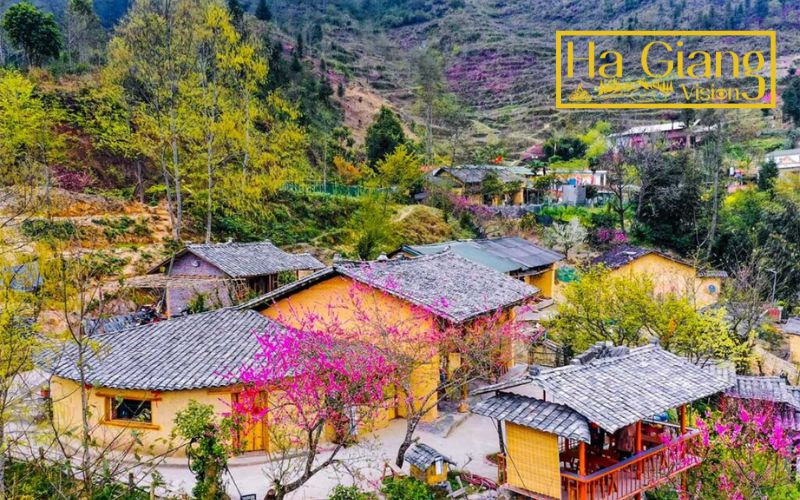
Joining traditional festivals in Ha Giang is one of the most meaningful ways to connect with Vietnam’s living culture.
Cultural authenticity: Each celebration offers a rare chance to witness the real life of ethnic minorities.
Seasonal beauty: Festivals coincide with Ha Giang’s most beautiful months, like the blooming buckwheat flower festival in November or the vibrant atmosphere of Lunar New Year (Tết Nguyên Đán) in spring.
Local connection: Visitors are often welcomed to join in traditional games, share meals, or participate in village gatherings, turning a simple trip a genuine human experience.
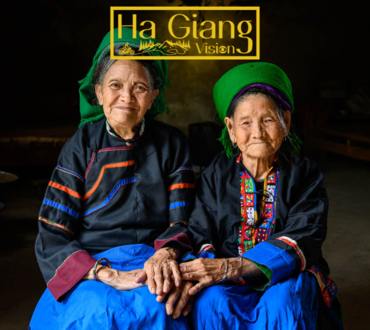
Photographic charm: Colorful costumes, lively markets, and traditional performances make every festival a photographer’s dream.
Spiritual depth: Many events express gratitude to nature and ancestors, offering travelers a glimpse the mountain people’s deep sense of faith and harmony with their land.
Traditional festivals in Ha Giang
Beyond its dramatic landscapes, Ha Giang is home to many festivals that reflect the spiritual and social life of its ethnic communities.
Pa Then Fire Dancing Festival
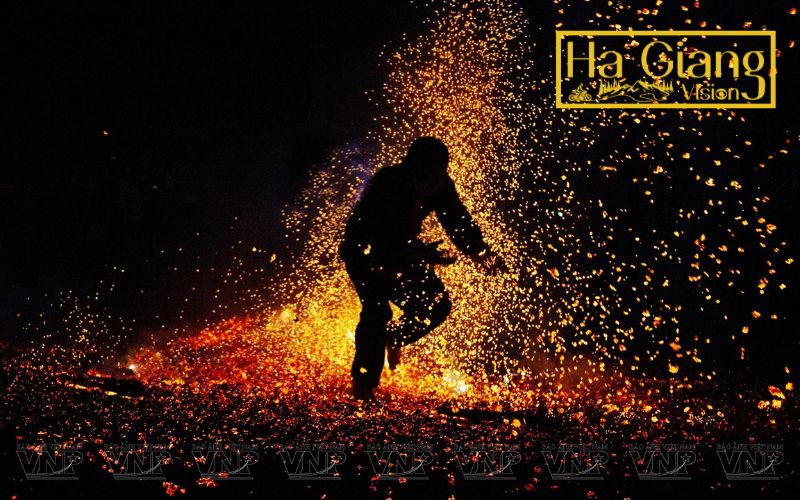
If there’s one celebration that will leave you in awe, it’s the Pa Then Fire Dancing Festival. Usually held in late October or early November in Tuyen Quang and Ha Giang, this is one of the most mystical traditional festivals in northern Vietnam.
The Pa Then people believe that fire dancing connects them with deities who protect the village evil. After long hours of spiritual chanting led by a shaman, young men enter a trance state and dance barefoot on burning embers - completely unharmed. It’s an extraordinary mix of devotion, courage, and faith that leaves visitors spellbound. For travelers, attending this event is an unforgettable highlight of cultural tourism in Ha Giang.
Buckwheat Flower Festival
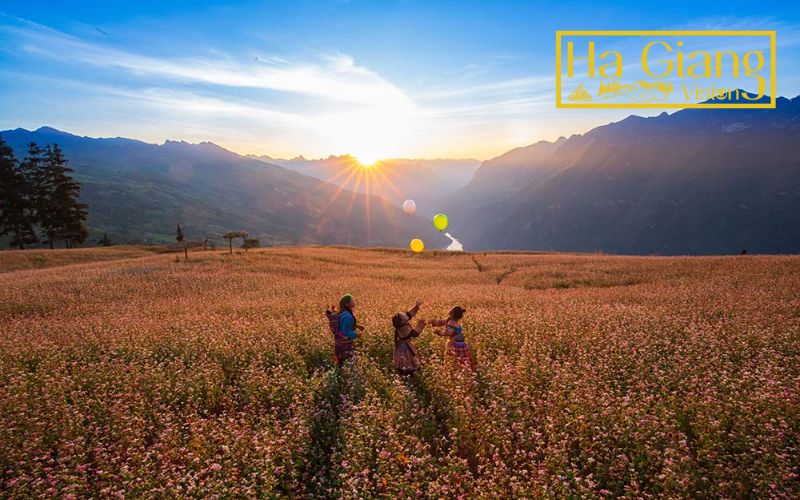
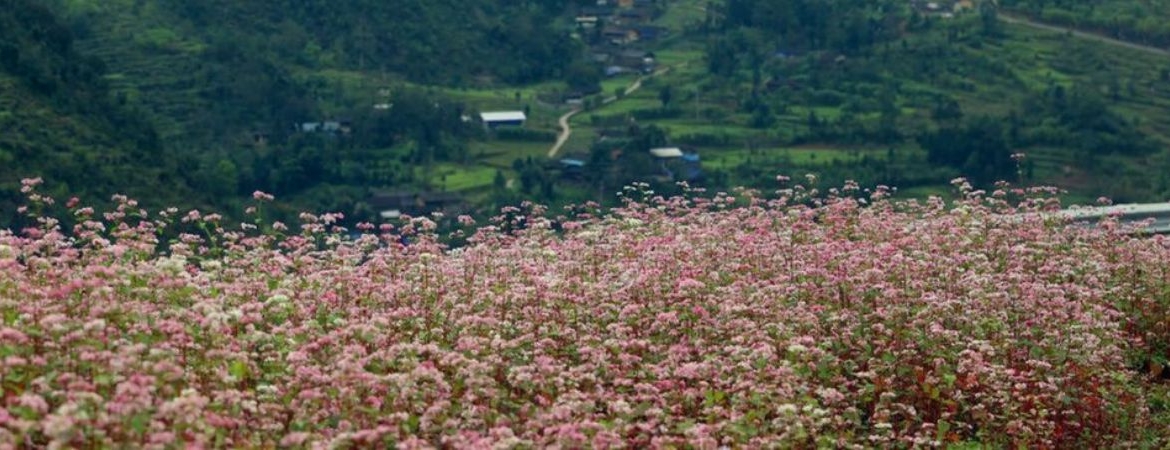
If you visit Ha Giang in November, you’ll be treated to one of the province’s most iconic events: the Buckwheat Flower Festival. Hosted mainly in Dong Van, Meo Vac, and Quan Ba, this festival celebrates the blooming season of buckwheat flowers that paint the limestone mountains in dreamy shades of pink and purple.
Beyond its stunning visual appeal, the buckwheat flower festival is a symbol of life and resilience in Vietnam’s rugged north. Visitors can enjoy ethnic music performances, local food fairs, and photo contests that celebrate both nature and tradition. It’s one of the most photogenic Vietnam festivals, perfect for travelers seeking a unique cultural experience tied to the beauty of the land.
Lunar New Year (Tết Nguyên Đán)
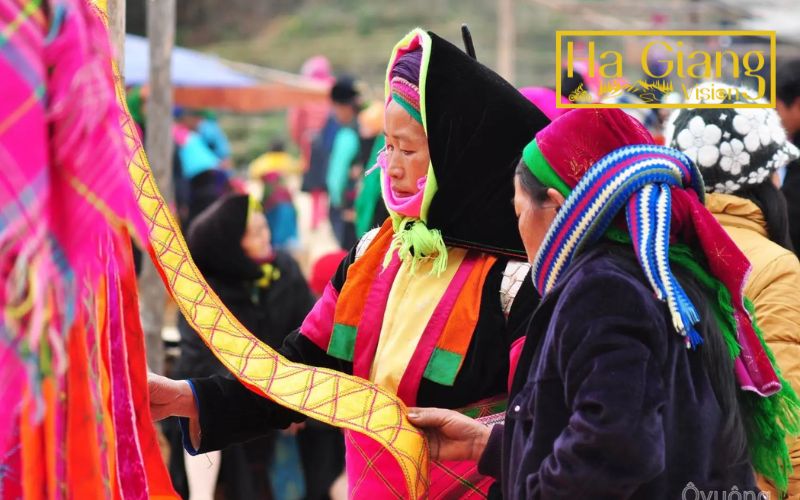
No list of traditional festivals in Vietnam would be complete without Lunar New Year, known locally as Tết Nguyên Đán. This is the biggest celebration across all Vietnam festivals, marking the arrival of spring and the new lunar year, typically in late January or February.
In Ha Giang, the atmosphere is even more special. Each ethnic group — H’mong, Tay, Dao, and Nung — celebrates in their own unique way. You’ll see families repainting their houses, preparing bánh chưng (square sticky rice cakes), and wearing colorful clothes. Local markets fill with laughter and music, and villagers visit each other’s homes to share New Year wishes.
Gau Tao Festival of the H’mong People
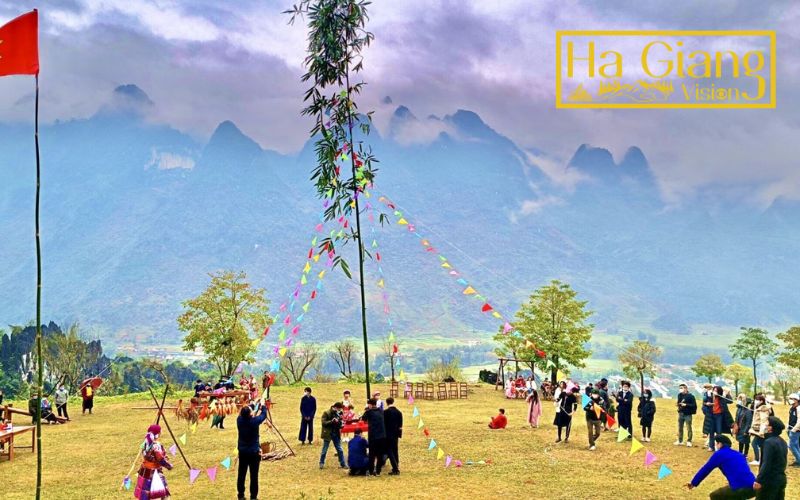
The Gau Tao Festival is one of the most joyful traditional festivals of the H’mong community, usually held in January or February, right after lunar new year. The festival is both a thanksgiving and a wish for prosperity, health, and happiness.
Set in the open fields of Dong Van or Meo Vac, the festival features lively music khen (bamboo flutes), dancing, and friendly competitions like horse racing and crossbow shooting. It’s a celebration of freedom, love, and youth. Visitors are often invited to join the dance circles, share local corn wine, and feel the vibrant energy of the highlands.
Long Tong Festival of the Tay People
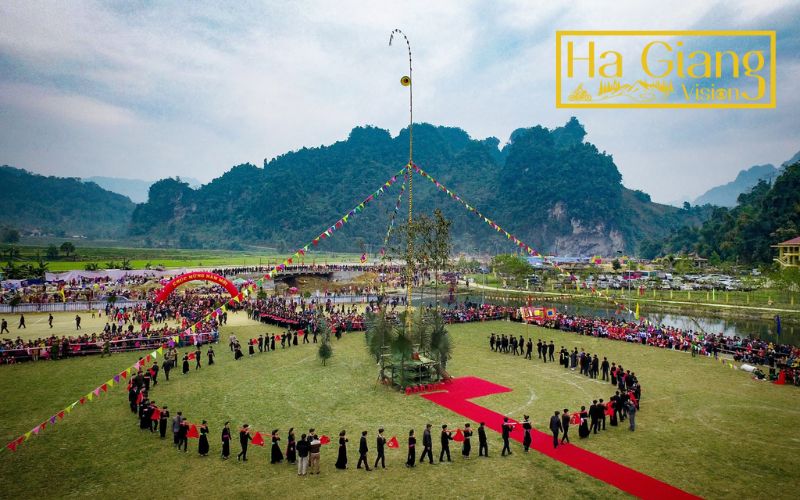
Next comes the Long Tong Festival, meaning “Going to the Field,” celebrated by the Tay ethnic group in Quan Ba and Bac Me districts. Usually held in February, this festival marks the start of the new farming season.
Villagers gather near the rice fields for a ceremonial offering to the gods of agriculture and water, praying for good weather and fruitful harvests. After the rituals, the celebration continues with folk games, “Then” singing, and boat racing.
Khau Vai Love Market
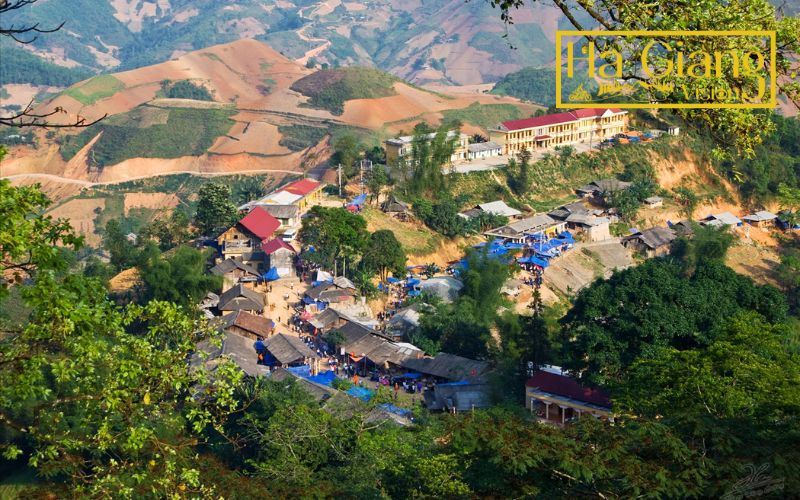
One of the most touching traditional festivals in Ha Giang, and perhaps all of Vietnam, is the Khau Vai Love Market, held in Khau Vai commune (Meo Vac District) every third lunar month.
This unique event brings together men and women who once loved each other but couldn’t marry. They meet again for a single day each year to share memories and reconnect. The market also features music performances, folk games, and ethnic food stalls.
Cap Sac Ritual of the Dao People
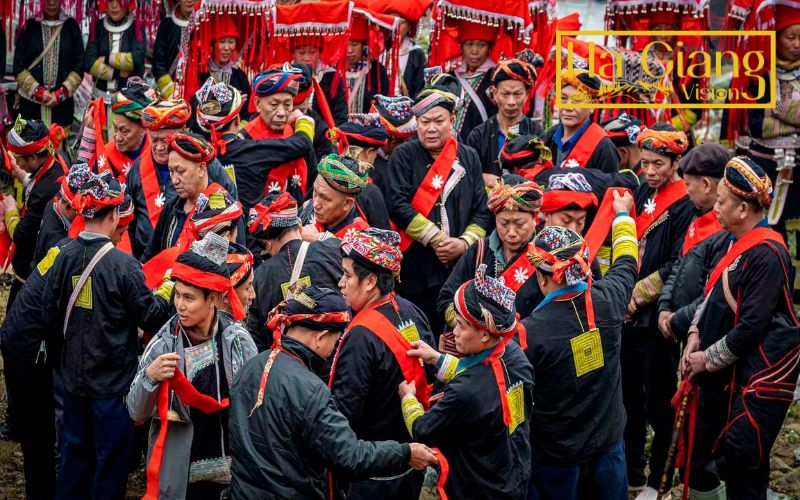
The Cap Sac Ritual (Coming-of-Age Ceremony) of the Dao people is one of Ha Giang’s most sacred traditional festivals. Unlike other events, it does not have a fixed date — it’s held whenever a family deems it the right time, often around or after the Lunar New Year.
The ritual marks a young man’s passage adulthood and his readiness to assume spiritual responsibilities. Chanting, sacred dances, and symbolic offerings define this ceremony, which may last for several days. Though it’s more intimate than public festivals, respectful visitors may be invited to observe, gaining rare insight one of Vietnam’s most profound cultural rites.
Tips for Joining These Traditional Festivals
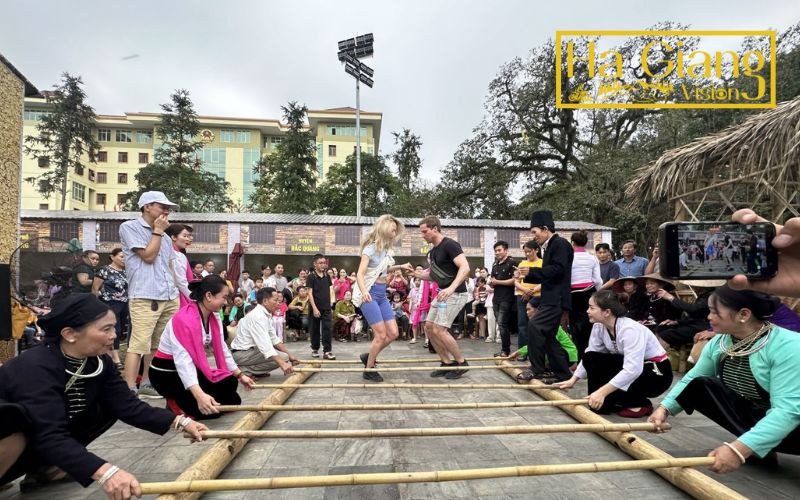
Attending traditional festivals in Ha Giang can be a highlight of your Vietnam journey — but a little preparation helps you enjoy them respectfully and comfortably. Keep these tips in mind before you go:
Check the festival dates early: Many Vietnam festivals follow the lunar calendar, so confirm exact timing before planning your itinerary.
Respect local customs: Ask before taking photos or joining rituals, especially during sacred ceremonies like the Dao people’s Cap Sac.
Dress appropriately: Wear modest, comfortable clothing that suits both cool mountain weather and cultural settings.
Join local activities: Don’t just watch. Try traditional games, food, or dances. Participation shows appreciation for local culture.
Bring small gifts or cash: A simple token, such as fruit or candy, is a kind gesture when visiting village homes or attending communal meals.
Be mindful of the environment: Keep the mountain landscapes clean and avoid disturbing natural sites during festivals.
Stay flexible: Some celebrations may shift dates or locations depending on weather or community decisions, so allow extra days in your plan.
Final Thoughts
Ha Giang’s traditional festivals offer more than cultural beauty, they reveal the heart and spirit of Vietnam’s northern mountains. the mystical Pa Then fire dances to the tender reunions at Khau Vai Love Market, each celebration tells a story of heritage and harmony with nature. Experiencing these Vietnam festivals means witnessing the region’s soul come alive in color, music, and tradition.
To explore these vibrant events with ease and local insight, consider joining a Ha Giang Loop tour with Ha Giang Vision for an authentic and unforgettable journey.
Have 0 comment, evaluate Traditional Festivals In Ha Giang: Colors Of Northeast Life
Xin chào quý khách. Quý khách hãy để lại bình luận, chúng tôi sẽ phản hồi sớm