
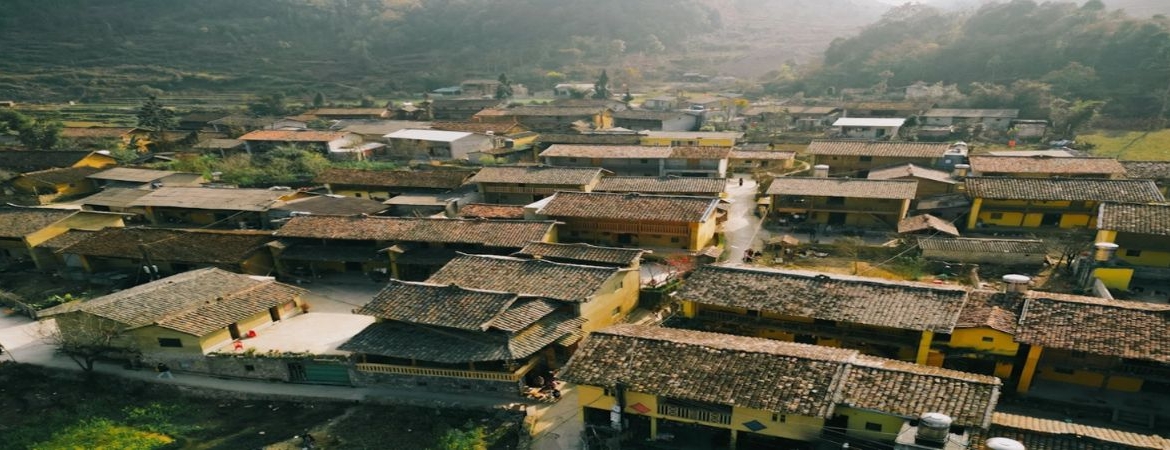
What is Happy Water? Enjoy Drinking Culture During Ha Giang Loop
What is Happy Water?

So, what is happy water? In Ha Giang, the term refers to locally brewed rice or corn wine that’s served at family gatherings, celebrations, and especially during homestay dinners with travelers. Its playful name comes from the joy it brings: after a few glasses, laughter flows, conversations spark, and the evening becomes truly memorable.
This traditional liquor is usually homemade, with recipes passed down through generations of ethnic minority families. It’s more than just alcohol-it’s a social tradition and a warm invitation to be part of the local community.
How is Happy Water Made?
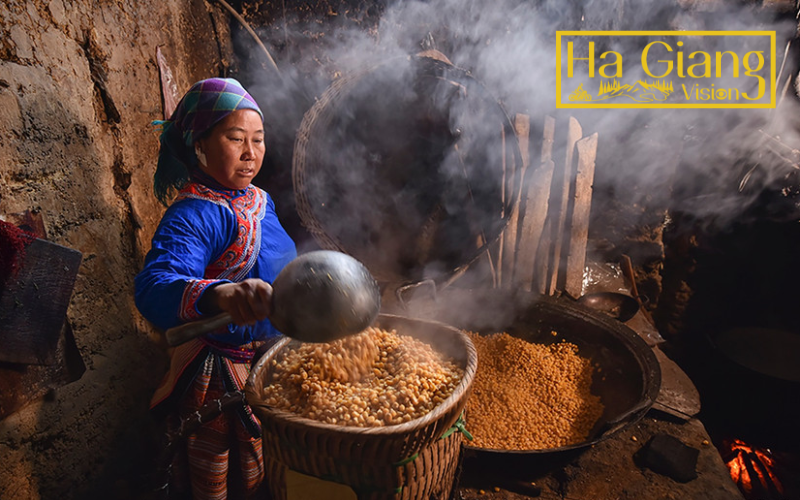
The process of making this traditional drink passed down through generations in ethnic minority families. Each village may have its own recipe, but the base is always maize grown on mountain slopes.
Corn is harvested and dried under the sun.
Kernels are cooked, cooled, and mixed with a natural yeast starter.
The mixture is fermented in clay jars or barrels for weeks.
Finally, it’s distilled into a clear, strong liquor.
The Unique Taste of Ha Giang Corn Wine
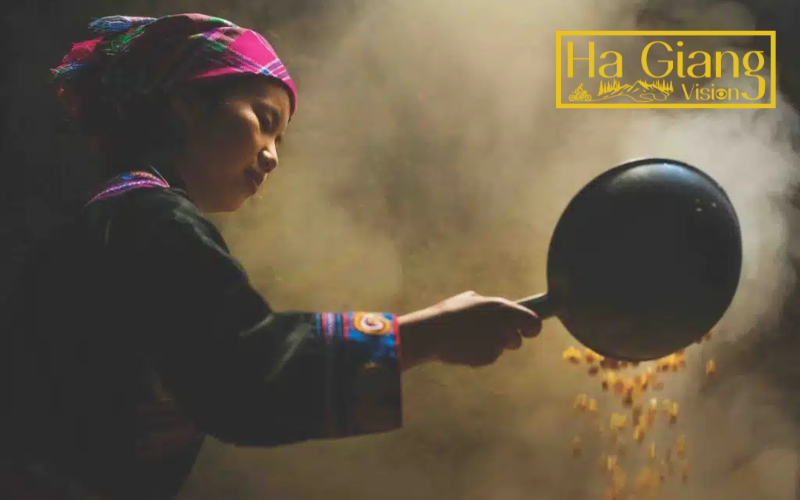
Unlike commercial spirits, this local wine has a flavor shaped by the land and traditions. Each sip carries the richness of mountain-grown maize and the warmth of village hospitality.
Smooth but strong, with a warming finish.
Slightly sweet notes from fermented corn.
Aromatic, sometimes earthy depending on the village recipe.
A flavor that deepens when paired with local foods.
The Cultural Role of Happy Water in Ha Giang

A Symbol of Hospitality and Community
Sharing a glass of Vietnamese happy water is a warm welcome into someone’s home. It reflects the openness and connection that are central to Ha Giang culture, where guests are treated like family.
- First glass: to honor the guest.
- Second glass: to celebrate new friendships.
- Third glass: to wish good luck and happiness.
Celebrations and Festivals Where It’s Served
This Vietnamese corn wine plays an important role during community events. Whether it’s weddings, harvest festivals, or New Year gatherings, the local wine flows generously.
- Weddings: symbolizing joy and unity.
- Tet celebrations: marking prosperity and good health.
- Village festivals: strengthening communal ties.
Drinking With Ethnic Minority Families
Joining a family meal in Ha Giang often means sharing this traditional corn liquor. It’s not about how much you drink - it’s about joining the ritual and showing respect.
- Served with homemade dishes.
- Often drunk from small ceramic cups.
- A chance to learn about family traditions.
Traveler Experiences With Ha Giang Vision
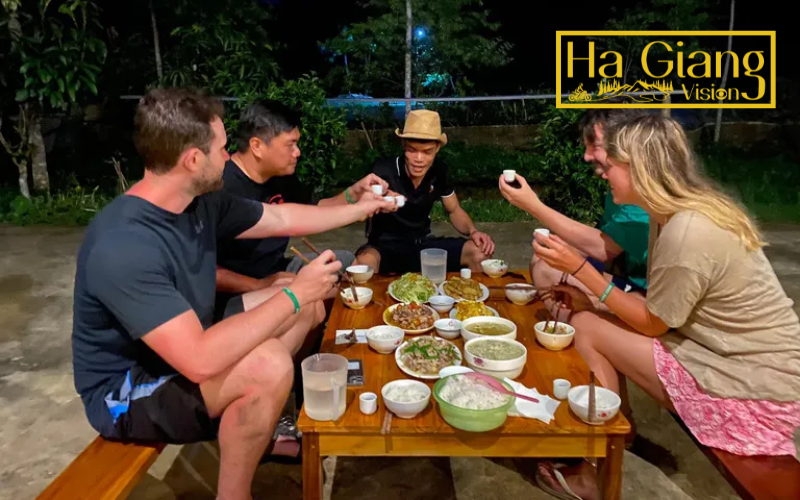
What to Expect When You Join a Toast
The most iconic part of drinking is the chant “1, 2, 3, Zô!” Everyone counts together before shouting “Zô!” as the glasses clink, filling the room with laughter. For many travelers, this simple cheer becomes one of the most fun memories of the Ha Giang Loop.
The host often pours the first round as a welcome.
Guests are encouraged to finish the glass in one go.
Toasts happen frequently, so pacing yourself is wise.
Laughter and bonding flow naturally with each cheer.
Local Foods Served With Happy Water
This ethnic minority drink is almost always paired with food. Eating alongside drinking not only balances the strong flavor but also gives visitors a true taste of local life.
Buffalo jerky – smoky and chewy, perfect with a strong sip.
Roasted peanuts – a common snack for balance and crunch.
Boiled maize or corn cakes – tying back to the origins of the drink.
Local vegetable dishes – fresh and simple to keep the meal hearty.
Where to Try Happy Water in Ha Giang
Homestays With Local Families
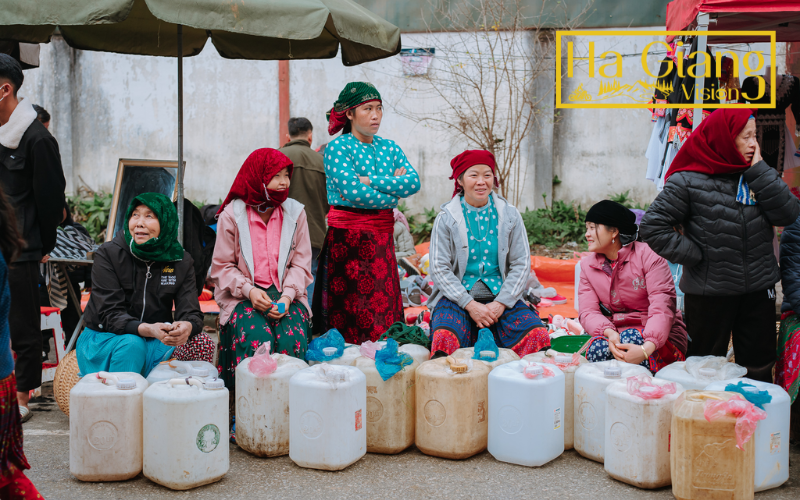
The best way to try this traditional corn wine is by staying at a homestay. Many ethnic minority hosts prepare their own brews, serving them to guests as part of dinner. It’s intimate, authentic, and always memorable.
Motorbike Tours With Cultural Drinking Stops
If you’re riding the Ha Giang Loop, guided motorbike tours often include village visits where local corn-based alcohol is served. It’s a safe and organized way to immerse yourself in local traditions without missing the highlights of the route.
Villages Famous for Traditional Corn Wine
Some communities in Ha Giang are particularly known for their brewing traditions. Exploring these villages lets you see how corn wine is made and taste it fresh from the source.
- Dong Van region: strong and bold flavors.
- Meo Vac area: maize-based varieties.
- Lung Cu villages: famous for family distilleries.
Final Thoughts
If you’re planning the Ha Giang Loop, don’t miss the chance to join in this tradition. Trying happy water is to connect with people, embrace traditions, and share laughter along the journey. Whether it’s your first sip or your tenth, this small glass carries big meaning. For travelers on the Ha Giang Loop, this strong local liquor represents the spirit of Vietnam’s northern mountains: warm, welcoming, and unforgettable.
Ready to experience the it for yourself? Book a Ha Giang Loop tour or a local homestay and join the cheerful chant of “1, 2, 3, Zô!” with your new friends in Vietnam.
FAQs
Is Happy Water Vietnam safe?
This traditional wine is generally safe to try when shared in small amounts during local meals or celebrations. It’s homemade corn or rice wine, so the alcohol levels can be strong. Travelers should drink moderately, eat food alongside, and avoid overindulging.
In Vietnam where to buy Happy Water?
Happy Water is not usually sold in supermarkets or bars. Instead, you’ll find it in ethnic minority villages, homestays, and local markets in Ha Giang. Many travelers experience it when staying with local families or joining a guided Ha Giang Loop tour.
What is the Vietnam Happy Water chant?
The famous chant is “1, 2, 3, Zô!”, which is the Vietnamese way of saying “Cheers!” Everyone counts together-“1, 2, 3”-then shouts “Zô!” before drinking. It’s a fun tradition that creates instant bonding between locals and travelers.
What percentage is Happy Water Vietnam?
The alcohol content of Happy Water varies depending on the maker, but it usually ranges from 30% to 40% ABV. Some homemade versions may be stronger, so it’s best to sip slowly and know your limits.
Have 0 comment, evaluate What is Happy Water? Enjoy Drinking Culture During Ha Giang Loop
Xin chào quý khách. Quý khách hãy để lại bình luận, chúng tôi sẽ phản hồi sớm