
Where Is Ha Giang? - A Rugged Charm Of Vietnam's Far North
Where is Ha Giang?
.jpg)
When coming to Vietnam, it is hard for anyone not to know Ha Giang - one of the places you must visit in Vietnam. Ha Giang is located at the very top of Vietnam, sharing a border with Yunnan Province in China. It’s often referred to as the country’s “final frontier,” thanks to its remote location and untouched natural beauty. Unlike more popular destinations such as Ha Long Bay or Sapa, Ha Giang remains authentic and wild, offering travelers a chance to experience Vietnam as it once was.
From Hanoi, Ha Giang City - the provincial capital - is approximately 300 km (186 miles) north. Traveling by road takes about 6 to 7 hours, making it an ideal destination for those willing to venture off the tourist trail. The journey itself is part of the adventure, taking you through winding mountain passes and lush valleys.
Read mỏe: Top Places You Mút Visit
What Makes Ha Giang Worth Visiting?
From its legendary motorbike route to its diverse culture and stunning scenery, Ha Giang offers a unique travel experience you won’t find anywhere else in Vietnam.
The Legendary Ha Giang Loop
.jpg)
Wondering where is Ha Giang Loop? This world-famous 350+ km motorbike route winds through breathtaking landscapes and remote mountain villages. For many travelers, riding the loop is the highlight of their Vietnam trip. Whether you choose to rent a motorbike and go solo or join a guided Easy Rider tour, this adventure promises a sense of freedom and discovery that few places can match.
Here are the must-see stops along the Ha Giang Loop:
Quan Ba Heaven’s Gate: Often the first stop on the loop, this viewpoint offers a breathtaking panoramic view of the surrounding valleys and the famous Twin Mountains. It’s a photographer’s dream and a great introduction to Ha Giang’s scenery.
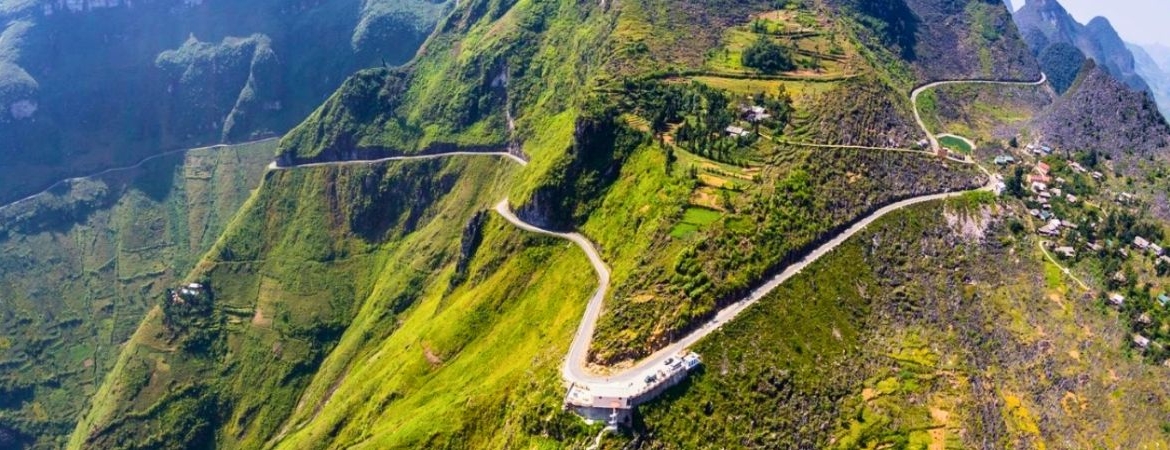
Ma Pi Leng Pass: One of Vietnam’s most iconic mountain passes, Ma Pi Leng features winding roads carved into sheer cliffs. From the top, you’ll see sweeping views of the emerald Nho Que River canyon below - a highlight of the entire journey.
Lung Cu Flag Tower: At Vietnam’s northernmost point, this site symbolizes national pride, offering views across the border into China. Climbing the tower is a must for a true “end of the road” experience.
Nho Que River: A turquoise ribbon of water flowing through a dramatic gorge, this river is perfect for boat rides or kayaking. The view from above is stunning, but the experience from the water is unforgettable.
Vuong Family Mansion: Located in Sa Phin Village, this historical mansion of the Hmong kings showcases a fascinating mix of Chinese and Hmong architecture and offers a window into the region’s history.
Meo Vac: A rugged and remote area along the loop, Meo Vac offers unique landscapes and a slower, authentic pace of life. Its Sunday market is famous for its cultural richness.
Hoang Su Phi Terraced Rice Fields: If your timing is right (September–October), these terraces will be glowing gold during harvest season. They’re considered some of the most beautiful rice fields in all of Vietnam.
Thon Tha Village and Waterfall: Near Ha Giang City, this traditional Tay village offers cultural immersion, homestay experiences, and a refreshing stop at the nearby waterfall.
Ethnic Groups and Local Life
.jpg)
Ha Giang is home to more than 17 ethnic minority groups, including the Hmong, Tay, Dao, Lo Lo, and Giay communities. Each group has preserved its own language, traditional dress, and way of life for centuries, making Ha Giang one of Vietnam’s most culturally rich destinations.
Travelers can experience authentic village life by visiting stilt houses, learning traditional crafts, and staying in family-run homestays. Villages like Lung Cam Cultural Village or Thon Tha Village offer a glimpse into the daily rhythms of the highlands, where hospitality and warmth are part of the culture.
Vibrant Festivals and Highland Markets.jpg)
Wondering where is Ha Giang and why it’s a cultural hotspot? Festivals in Ha Giang are a colorful reflection of its ethnic diversity and deep-rooted traditions. One of the most famous is the Buckwheat Flower Festival (October - November), where hillsides are blanketed in delicate pink and purple blooms, celebrated with music, dance, and local cuisine.
If you’re exploring the region and asking “Where is Ha Giang Loop?”, you’ll discover it winds through villages where culture comes alive. Weekly highland markets like Dong Van Sunday Market and Meo Vac Market are cultural highlights. Here, locals in vibrant traditional attire gather to trade livestock, textiles, and produce, turning the market into a lively social event.
For travelers, these festivals and markets are a window into Ha Giang’s vibrant heritage, offering unforgettable photo opportunities and authentic cultural experiences.
Stunning Landscapes
.jpg)
Still curious “Where is Ha Giang?” on your Vietnam itinerary? This northernmost province is home to some of the country’s most jaw-dropping scenery. Every twist and turn of the Ha Giang Loop reveals a new postcard-worthy view, from jagged limestone mountains to lush rice terraces and deep river gorges.
Dong Van Karst Plateau Geopark (UNESCO Site): A UNESCO-recognized area covering over 2,300 km² of dramatic limestone formations, offering rare geological wonders and stunning mountain passes.
Ma Pi Leng Pass: One of the most spectacular roads in the world, this pass offers dizzying views of sheer cliffs and the emerald Nho Que River winding below.
Quan Ba Heaven’s Gate: A scenic viewpoint where you’ll first witness Ha Giang’s epic mountain landscapes, including the famous Twin Mountains.
Lung Cu Flag Tower: Marking Vietnam’s northernmost point, this tower stands proudly atop Dragon Mountain, with sweeping views across the border into China.
Hoang Su Phi Rice Terraces: These terraces, especially vibrant during harvest in September–October, are considered among the most beautiful in Vietnam.
Nho Que River & Tu San Canyon: The turquoise Nho Que River flows through Tu San Canyon, Southeast Asia’s deepest canyon. Take a boat ride or kayak trip for a different perspective of this natural wonder.
Tham Ma Slope: A famous zigzag road that’s perfect for drone photography and showcases Ha Giang’s rugged terrain.
Lung Cam Cultural Village: A traditional Hmong village surrounded by karst peaks, perfect for cultural photography.
Du Gia Waterfall & Village: A hidden gem with cascading waterfalls and peaceful village life, offering a relaxing break from the dramatic landscapes.
Pho Cao Village: Known for traditional stone houses and foggy mornings that create a mystical atmosphere.
Tay Con Linh Mountain: One of Vietnam’s highest peaks, ideal for trekking enthusiasts seeking off-the-beaten-path adventures.
Lo Lo Chai Village: Located near Lung Cu Flag Tower, this village is home to the Lo Lo ethnic group, offering vibrant cultural and scenic charm.
Flavorful Local Cuisine
.jpg)
Ha Giang’s cuisine is a feast for both the senses and the soul, reflecting the creativity and traditions of its highland ethnic groups. The food here is hearty, rustic, and bursting with unique flavors you won’t find anywhere else in Vietnam. Here are some must-try specialties:
Thắng Cố (Thang Co): A centuries-old Hmong specialty, this aromatic stew is made with horse, buffalo, or beef, simmered with more than 20 mountain herbs. Traditionally cooked over an open fire in giant pots at highland markets, it’s a warming dish perfect for chilly mountain evenings.
Buckwheat Cake (Bánh Tam Giác Mạch): Made from roasted buckwheat seeds grown only in Ha Giang, this soft, nutty cake has a subtle sweetness. It’s a local favorite during the Buckwheat Flower Festival, often enjoyed hot and paired with a cup of fragrant tea.
Five-Color Sticky Rice (Xôi Ngũ Sắc): A visually stunning dish dyed with natural colors from forest plants - red from gac fruit, green from pandan leaves, purple from magenta leaves, yellow from turmeric, and white from plain sticky rice. Each color symbolizes happiness, prosperity, and health.
Smoked Meats (Thịt Gác Bếp): Buffalo, pork, or sausage is marinated in salt, chili, and herbs before being smoked over an open flame. The result is deeply savory, tender meat that’s perfect with a glass of homemade corn wine.
Corn Wine (Rượu Ngô): A strong, smooth spirit distilled from local corn, this is a staple drink at village gatherings. Sharing a shot is a gesture of friendship and hospitality in the highlands.
Steamed Rice Rolls (Bánh Cuốn Đồng Văn): Unlike Hanoi’s version, Ha Giang’s bánh cuốn is served with flavorful pork bone broth and a sprinkle of fried shallots, making it a comforting breakfast option on chilly mornings.
Hill Pork (Thịt Lợn Cắp Nách): Raised by ethnic farmers, these small free-range pigs produce tender and flavorful pork, often roasted or grilled for special occasions.
Steamed Cornmeal (Mèn Mén): A staple of the Hmong community, this dish is made from finely ground corn, steamed and served with soup or greens. It’s simple yet hearty, reflecting the resilience of life in the mountains.
Wild Bamboo Shoots and Mountain Herbs: Seasonal vegetables like bamboo shoots, forest mushrooms, and rare herbs add earthy flavors to highland meals, showcasing Ha Giang’s natural bounty.
When to Visit Ha Giang
.jpg)
Ha Giang is a year-round destination, but the experience changes dramatically with the seasons. Travelers can choose best time to visit Ha Giang based on their interests:
September to October:
This is one of the most breathtaking times to visit. The terraced rice fields of Hoang Su Phi and other valleys turn golden, creating jaw-dropping scenery that photographers adore. The weather is mild, making it ideal for trekking and motorbike rides along the Ha Giang Loop.
October to November:
Hillsides burst into shades of pink and purple as buckwheat flowers bloom across the Dong Van Karst Plateau. This season also coincides with the lively Buckwheat Flower Festival, where travelers can enjoy local music, dancing, and regional cuisine.
March to May:
Spring brings warm, pleasant weather and colorful peach and plum blossoms dotting the hillsides. It’s also the season for village festivals, giving visitors a chance to experience traditional rituals and vibrant ethnic culture.
December to February:
Winter transforms Ha Giang into a mysterious wonderland, with mist-covered mountains and cool temperatures. While it’s chilly, this is the perfect time for travelers who enjoy fewer crowds and a more tranquil atmosphere. Pack warm clothes and get ready for cozy evenings by the fire in a local homestay.
No matter the time of year, Ha Giang promises unforgettable landscapes and authentic cultural encounters, making it a destination worth visiting more than once.
How to Get to Ha Giang
Ha Giang may feel remote, but getting there is easier than most travelers expect. The province is well-connected by road from Hanoi, and once you arrive, there are multiple ways to explore its rugged landscapes.
Transportation Options from Hanoi.jpg)
Travelers typically begin their Ha Giang journey in Hanoi. From there, you can take:
Sleeper Buses: Overnight buses take around 6–7 hours, arriving early in the morning.
Limousine Vans: Comfortable and faster than traditional buses.
Private Cars or Tours: Ideal for families or those seeking a stress-free journey.
Getting Around Ha Giang
Once in Ha Giang, there are several ways to explore:
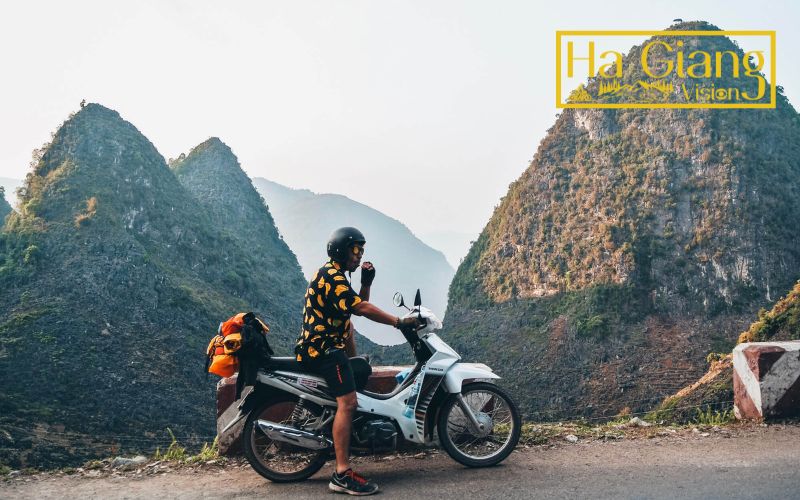
Motorbike Rentals: Perfect for adventurous travelers with riding experience.
Easy Rider Tours: Ride pillion with a local driver, a safe and fun option for beginners.
Private Car Hire: Great for those who prefer comfort and flexibility.
Conclusion
Where is Ha Giang? It’s not just a question on a map but an invitation to explore Vietnam’s last wild frontier, where towering limestone mountains, rich traditions, and warm hospitality await. Whether you’re chasing adventure on the Ha Giang Loop, immersing yourself in vibrant ethnic culture, or soaking in panoramic views, this northern gem is worth every kilometer of travel.
Start planning your trip with Ha Giang Vision today, and discover why this hidden corner of Vietnam is capturing the hearts of travelers around the world.
Have 0 comment, evaluate Where Is Ha Giang? - A Rugged Charm Of Vietnam's Far North
Xin chào quý khách. Quý khách hãy để lại bình luận, chúng tôi sẽ phản hồi sớm