

Cấp Sắc Ceremony in Ha Giang: A Sacred Dao Coming-of-Age Ritual
Overview of Cấp Sắc Ceremony
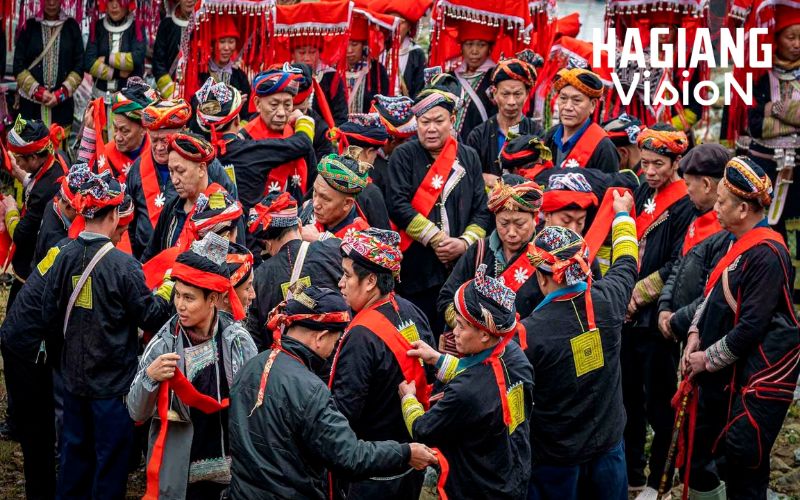
The ceremony stands at the heart of Dao spiritual life and one of the most important traditional festivals in Ha Giang, combining ritual, belief, and community passed down through generations.
What is Cấp Sắc Ceremony?
Also known as Lễ Cấp Sắc in Vietnamese, this is a traditional Dao initiation ritual that formally recognizes a man as an adult with spiritual rights, moral duties, and permission to worship ancestors and gods.
When is the ceremony?
The ceremony usually takes place after the Lunar New Year, often between late winter and early spring. Families choose auspicious dates based on spiritual calendars rather than fixed annual schedules.
Where does the ceremony take place?
It is held in Dao villages across Ha Giang, commonly at family homes or communal spaces. It is most often seen among Red Dao and other Dao subgroups living in highland areas.
Origin and Significance of the Ceremony
Rooted in ancient Dao beliefs, the yearly festival reflects a deep worldview where spiritual recognition shapes one’s place in both the human and divine realms.
History behind the traditional festival
The ceremony dates back hundreds of years, influenced by Dao religious texts and Taoist practices. Historically, it was essential for Dao men to receive spiritual “certification” before fully participating in religious and community life.
Cultural Significance
This ceremony carries deep cultural meaning, shaping how the Dao community preserves identity, passes down beliefs, and adapts traditions in a changing world.
Preserving Dao identity in modern Ha Giang:
Through sacred rituals, chants, and symbols, the ceremony helps the Dao maintain cultural identity despite modernization, migration, and external influences reshaping daily life.
Strengthening intergenerational bonds:
Elders, shamans, and family members guide younger generations, creating a shared space where knowledge, values, and spiritual responsibilities are passed down through lived experience.
Maintain traditional rituals:
Rising costs, time commitments, and modern lifestyles make organizing full ceremonies more difficult, putting pressure on communities to balance tradition with contemporary realities.
Rituals in a Traditional Cấp Sắc Ceremony
Every stage of the the ceremony is carefully structured, with rituals unfolding over several days in a sacred and highly symbolic sequence.
Preparations before the ceremony:
Families prepare offerings, ritual items, ceremonial spaces, and auspicious dates to ensure spiritual approval and ancestral presence.
Role of the Dao shaman:
The Dao shaman leads chants, communicates with deities, guides the initiate, and ensures rituals follow correct spiritual and ceremonial traditions.
Main ritual stages and symbolic actions:
Key stages include spiritual naming, ancestral acknowledgment, ritual vows, and symbolic acts marking adulthood and moral responsibility.
Sacred objects, costumes, and ceremonial tools:
Ritual swords, lamps, talismans, altars, and traditional Dao costumes represent spiritual rank, protection, and connection to ancestors.
Experiences when attending the Cấp Sắc Ceremony
This is a rare chance for tourists to witness living spiritual traditions rather than staged cultural performances. Each moment feels intimate, meaningful, and deeply connected to Dao beliefs in Ha Giang.
Witnessing sacred Dao shaman rituals
Watching Dao shamans perform ancient chants, ritual gestures, and spiritual invocations offers travelers a rare glimpse authentic Dao religious practice. Each movement is purposeful, guiding the initiate through spiritual recognition while revealing the depth, discipline, and seriousness of Dao ceremonial traditions.
Feeling the ceremony’s spiritual atmosphere
The ceremony unfolds within a calm yet powerful atmosphere shaped by incense smoke, rhythmic chanting, and focused participation the community. Even without understanding the language, travelers often feel emotionally grounded, sensing the spiritual weight and sacred intention of each ritual moment.
Observing traditional costumes and symbols
Traditional Dao ceremonial costumes immediately capture attention through intricate embroidery, symbolic colors, and ritual accessories. These visual elements are not decorative but meaningful, reflecting spiritual rank, family lineage, and ancestral connection, helping travelers read cultural stories through clothing and sacred objects.
Understanding Dao beliefs and values
By observing the ceremony, travelers gain insight Dao such as respect for ancestors, moral responsibility, and spiritual balance. The ritual shows how belief systems actively guide personal behavior, social roles, and community harmony in contemporary Dao life.
Final Thoughts
The Cấp Sắc Ceremony is far more than a cultural event. It is a sacred milestone that defines identity, responsibility, and belonging within Dao society. For travelers seeking meaningful cultural experiences, witnessing this traditional event in Ha Giang offers rare depth and authenticity. Book your Ha Giang Loop tour with Ha Giang Vision now!
Have 0 comment, evaluate Cấp Sắc Ceremony in Ha Giang: A Sacred Dao Coming-of-Age Ritual
Xin chào quý khách. Quý khách hãy để lại bình luận, chúng tôi sẽ phản hồi sớm