
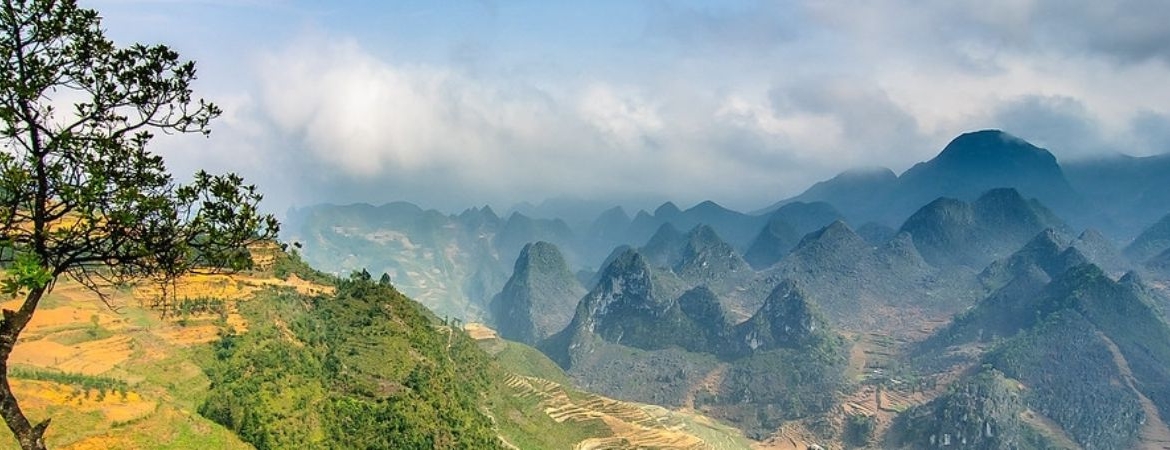
Top 10 Ethnic Villages You Should Visit in Ha Giang
Table of contents
- Why You Should Visit Ethnic Minority Villages in Ha Giang
- Top 10 Must-Visit Ethnic Villages in Ha Giang
- 1. Thôn Tha Village (Tay people)
- 2. Nậm Đăm Village (Dao people)
- 3. Lũng Tám Village (H’Mông people)
- 4. Du Già Village (Tay people)
- 5. Phó Bảng Village (H’Mông people)
- 6. Lũng Cẩm Village (H’Mông people)
- 7. Lô Lô Chải Village (Lô Lô people)
- 8. Mã Lé Village (Giáy people)
- 9. Lũng Táo Village (H’Mông people)
- 10. Lão Xa Village (H’Mông people)
- Useful Tips Before Your Visit
- Final Thoughts
Why You Should Visit Ethnic Minority Villages in Ha Giang
Hidden among misty mountains and winding roads, Ha Giang’s ethnic villages are where culture and nature intertwine. They’re not just photo stops - they’re living museums of heritage.
Experience different ethnic cultures across the province.
Witness authentic daily life: weaving, farming, cooking, and festivals.
Taste traditional food and herbal drinks you won’t find elsewhere.
Trek through jaw-dropping landscapes dotted with rice fields and limestone peaks.
Support community-based tourism and local livelihoods.
Top 10 Must-Visit Ethnic Villages in Ha Giang
From the peaceful Tay valleys to the remote H’Mong stone plateaus, each ethnic village offers a unique piece of Ha Giang’s soul. With insights curated by Ha Giang Vision, here are the top 10 you shouldn’t miss on your Ha Giang Loop journey.
1. Thôn Tha Village (Tay people)
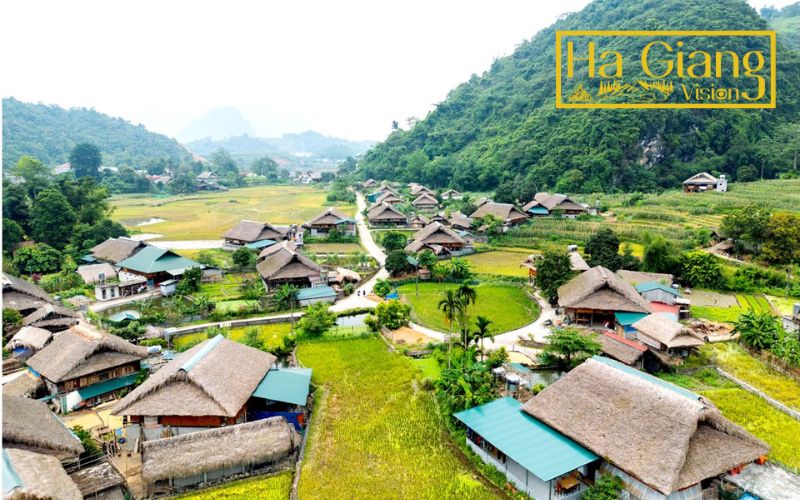 Just a few minutes Ha Giang City, Thôn Tha introduces travelers to the peaceful world of the Tay people. The village is known for its wooden stilt houses, built above ponds and surrounded by green rice paddies. Visitors can stroll along dirt paths shaded by bamboo and watch farmers harvest rice by hand. Evenings bring the smell of home-cooked meals and the gentle sounds of village life. For those looking to slow down and connect with locals, Thôn Tha offers an intimate introduction to Tay hospitality and rural serenity.
2. Nậm Đăm Village (Dao people)
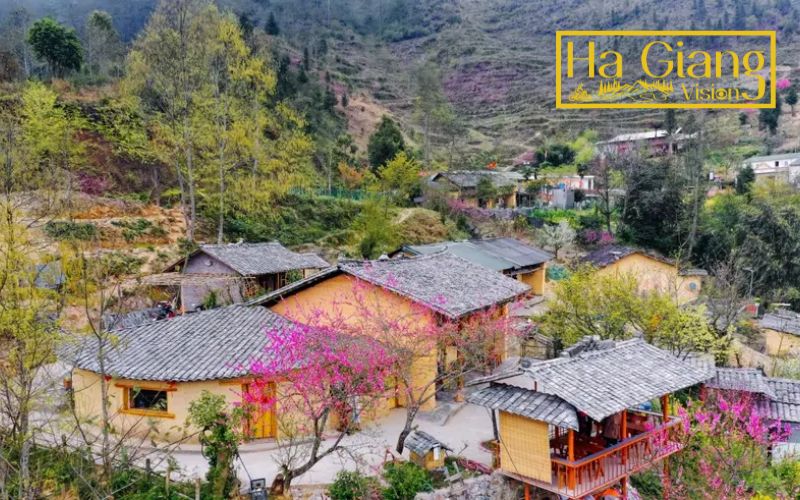 Nestled in Quản Bạ’s misty hills, Nậm Đăm is one of the most beautiful Red Dao villages in northern Vietnam. The Dao people here are famous for their herbal medicine and ancient spiritual practices. Visitors can watch women in crimson headscarves prepare herbal baths using forest plants collected at dawn - a ritual believed to heal and restore energy. The village’s homestays are simple but full of warmth, surrounded by lush valleys where locals tend to rice and corn fields. Nậm Đăm perfectly blends cultural immersion with natural tranquility.
3. Lũng Tám Village (H’Mông people)
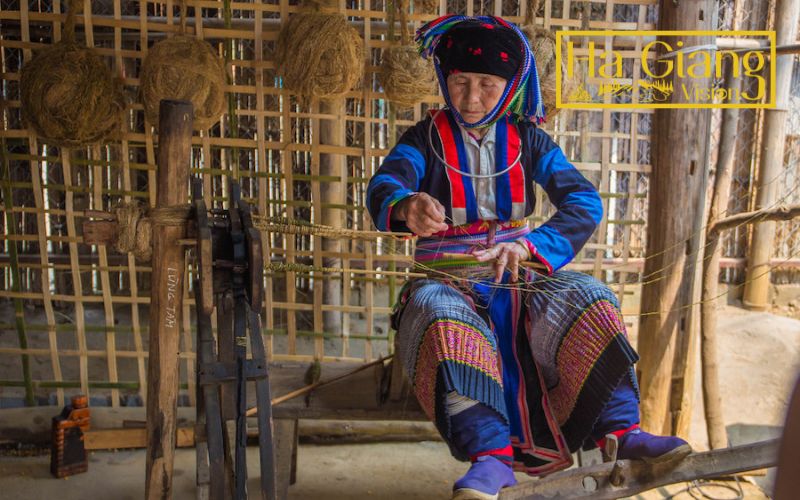
In the heart of Quản Bạ District lies Lũng Tám, a village where H’Mong craftsmanship thrives. For generations, the women of Lũng Tám have mastered the art of hemp weaving - spinning and dyeing to creating handwoven cloth that’s both durable and beautiful. The village cooperative welcomes visitors to observe the process and even try weaving themselves. Every scarf, bag, or tapestry tells a story of patience and pride. Beyond its artistry, Lũng Tám’s mountain backdrop offers stunning photo opportunities and a glimpse of the H’Mong’s enduring creativity.
4. Du Già Village (Tay people)
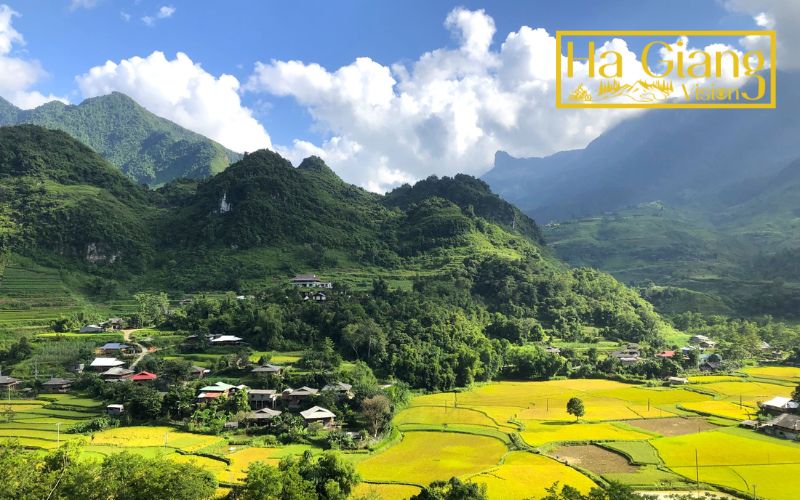
Du Già feels like a dream - a valley of endless green, rivers flowing through rice fields, and towering limestone cliffs guarding the horizon. This Tay village has become a beloved stop on the Ha Giang Loop thanks to its relaxed atmosphere and breathtaking scenery. Travelers often find themselves invited to join locals for dinner, sampling sticky rice, corn wine, and homegrown vegetables. During the day, visitors can walk or cycle to nearby waterfalls, explore rural trails, or simply sit by the stream listening to nature. Du Già is the essence of slow travel in Ha Giang.
5. Phó Bảng Village (H’Mông people)
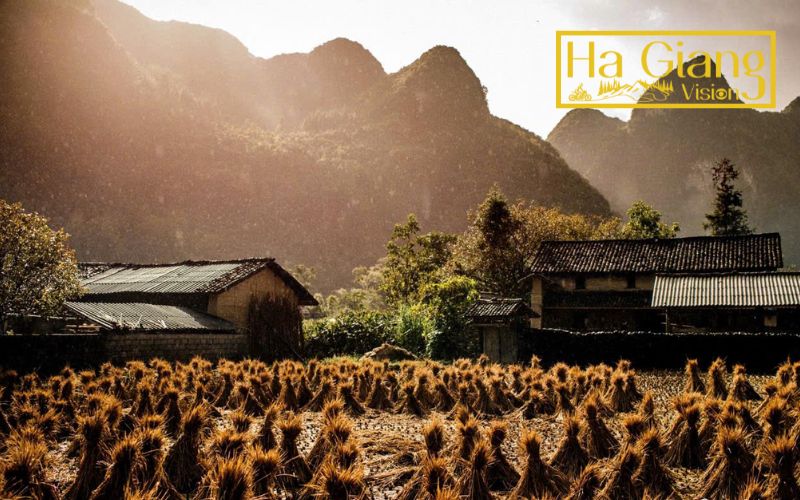
Often referred to as the “forgotten town,” Phó Bảng offers a peaceful escape the past. Its old clay houses, wooden beams, and tiled roofs evoke a quiet charm that feels untouched by time. The H’Mong people here lead simple lives, growing corn and tending gardens behind stone fences. Mist drifts through narrow lanes in the morning, revealing faded red lanterns and carved wooden doors. Phó Bảng invites visitors to wander slowly - to listen, to breathe, and to absorb the timeless beauty of traditional H’Mong architecture.
6. Lũng Cẩm Village (H’Mông people)
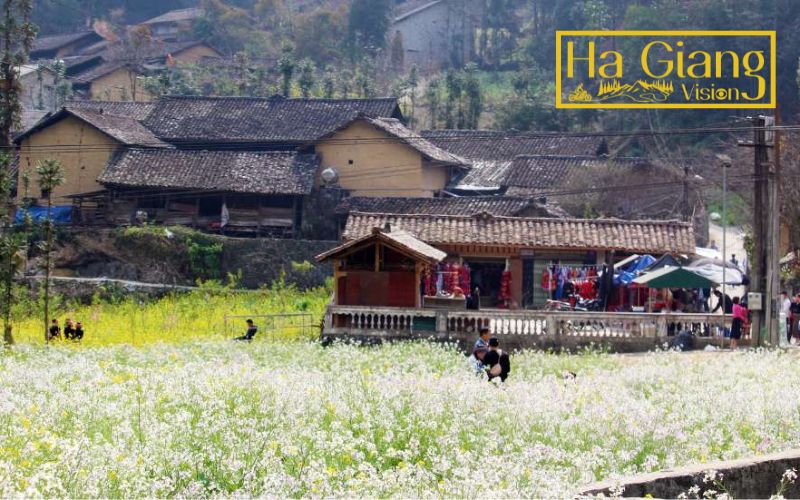
Located in the Sung La Valley, Lũng Cẩm is one of Ha Giang’s most photographed ethnic villages. Its clay-walled houses stand between fields of pink buckwheat flowers that bloom October to December, turning the valley a watercolor dream. The village gained fame as the filming location of “The Story of Pao,” yet it remains humble and deeply authentic. Travelers can visit local homes, see how corn wine is brewed, and chat with residents about life in the plateau. Lũng Cẩm captures the poetic side of Ha Giang - quiet, colorful, and deeply human.
7. Lô Lô Chải Village (Lô Lô people)
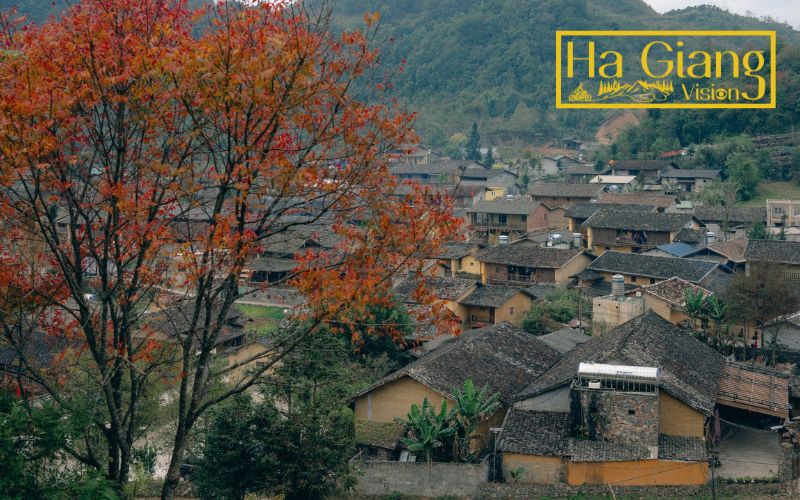 Perched beneath the Lung Cu Flag Tower, Lô Lô Chải is a small but culturally vibrant community. The Lô Lô people are one of Vietnam’s smallest ethnic groups, yet their traditions are beautifully alive here. Visitors can explore cobblestone lanes lined with clay houses, admire the locals’ hand-embroidered costumes, and learn about their festive dances and music. The village café “Cà phê Cực Bắc” offers a lovely view over the valley, where travelers can sip coffee while soaking up the calm northern atmosphere. Lô Lô Chải is a place where history and hospitality meet effortlessly.
8. Mã Lé Village (Giáy people)
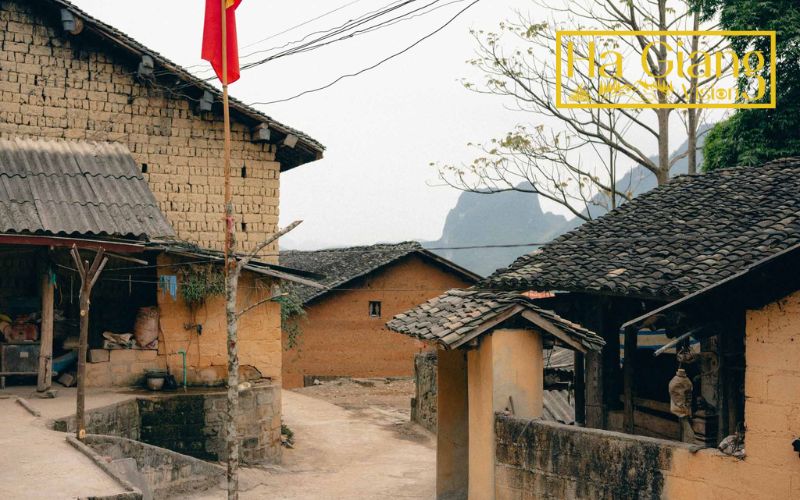
Not far from Lô Lô Chải, Mã Lé lies in a quiet valley surrounded by terraced fields, limestone mountains, and hidden villages tucked between the slopes. The Giáy people here are known for their wooden stilt houses and gentle way of life. Visitors can observe villagers planting corn or drying rice in the sun, and hear traditional folk songs echoing during festivals. Mã Lé feels remote but not isolated, a place where time flows softly and smiles come easy. For those chasing cultural authenticity, Mã Lé offers a close-up look at Giáy traditions untouched by mass tourism.
9. Lũng Táo Village (H’Mông people)
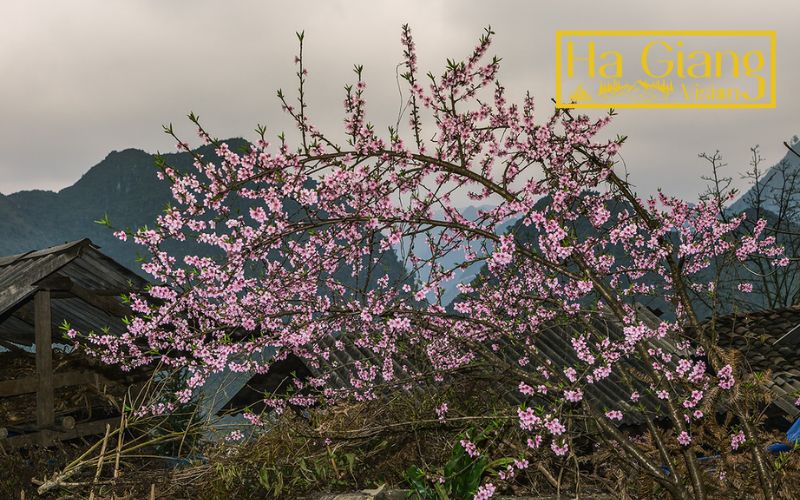
Hidden deep in the Dong Van Karst Plateau, Lũng Táo embodies the rugged beauty of Ha Giang’s highlands. The journey here is adventurous - winding roads, high cliffs, and breathtaking views - but the reward is unforgettable. The H’Mong villagers live in stone-built houses perched on rocky hills, surrounded by terraced cornfields and wandering goats. Visitors can explore ancient trails, visit small family farms, and witness a lifestyle that feels timeless. Lũng Táo is ideal for travelers seeking quiet authenticity far the crowds.
10. Lão Xa Village (H’Mông people)
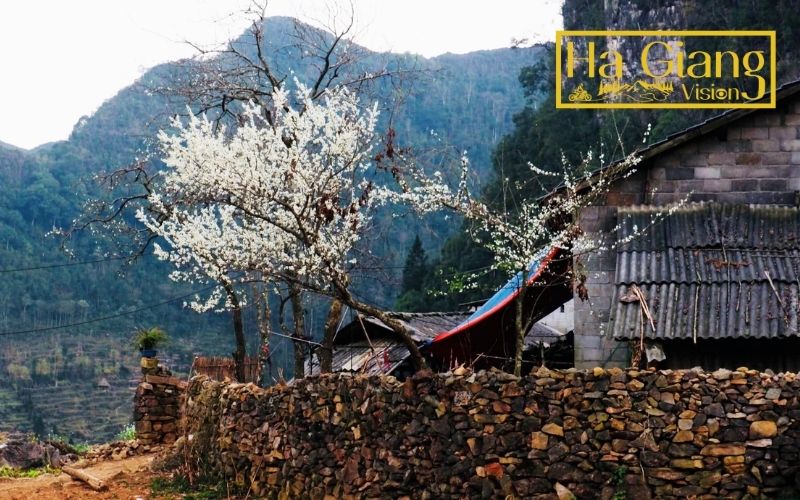
Perched high in the clouds, Lão Xa is one of the most remote and picturesque H’Mong villages in Ha Giang. Known for silver carving and embroidery, it’s a place where craftsmanship meets breathtaking scenery. The locals still wear their hand-stitched costumes daily, adding splashes of color to the stony gray landscape. the village ridge, you can see endless layers of limestone peaks fading the mist - a view that captures the wild soul of Ha Giang. For adventurous travelers, Lão Xa is the perfect finale to the journey through Ha Giang’s ethnic heartland.
See more: Hell Village
Useful Tips Before Your Visit
Visiting Ha Giang’s ethnic villages is an unforgettable cultural experience - but a few thoughtful preparations can help make your trip smoother and more respectful.
Always ask before taking photos of locals or their homes.
Hire a local guide - they can translate, share stories, and lead you to hidden spots most tourists miss.
Bring cash, as most villages don’t have ATMs or accept cards.
Avoid loud noise or drones around temples, ceremonies, or elders’ houses.
Travel responsibly - avoid giving money directly to children, and don’t litter in natural or sacred areas.
Prepare for limited signal or Wi-Fi in remote villages - download maps and phrases beforehand.
Check the weather forecast and bring a light raincoat; mountain weather changes fast.
Ride carefully if you’re doing the Ha Giang Loop - village roads can be steep, narrow, and slippery after rain.
Final Thoughts
If you’ve ever dreamed of seeing Vietnam beyond the tourist trails, Ha Giang’s ethnic villages are the place to start. Here, people still weave, farm, sing, and smile the way they always have. It’s simple, raw, and real - the kind of travel that reminds you why you fell in love with the road in the first place.
So pack your curiosity, ride the Loop, and let Ha Giang Vision take you where stories are still written on mountain paths.
Have 0 comment, evaluate Top 10 Ethnic Villages You Should Visit in Ha Giang
Xin chào quý khách. Quý khách hãy để lại bình luận, chúng tôi sẽ phản hồi sớm