
Top 10+ Must-See Destinations When You Visit Ha Giang
Where is Ha Giang?
When you visit Ha Giang, you step into one of Vietnam’s most remote and captivating regions. Located about 300 kilometers from Hanoi, this northern province is often called the country’s “final frontier”. Ha Giang offers breathtaking mountain landscapes, ethnic minority villages, and winding motorbike routes unlike anywhere else in the country. This remote region is home to limestone peaks, rice terraces, and vibrant local markets, making it one of the most fascinating destinations in Vietnam. Ha Giang is also where the legendary Ha Giang Loop begins, attracting adventurous travelers year-round.
Why You Should Visit Ha Giang
Ha Giang is more than just a scenic destination - it’s a cultural and natural treasure. Here’s why you should add Vietnam Ha Giang to your travel list:
Unspoiled mountain scenery - Limestone karsts, deep valleys, and terraced rice fields.
Adventure on the Ha Giang Loop - One of the world’s most thrilling motorbike routes.
Cultural diversity - Home to more than 16 ethnic minority groups with unique traditions.
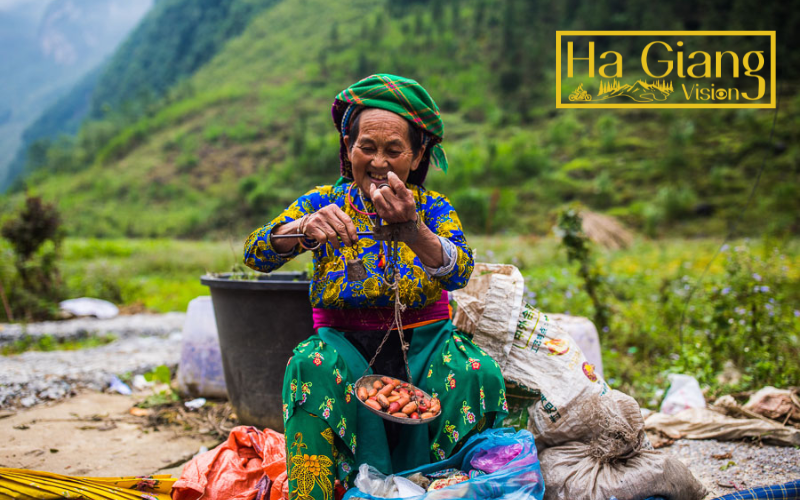
Vibrant local markets - Experience authentic life and colorful costumes.
Seasonal beauty - Buckwheat flowers in autumn, golden rice terraces in September.
Top 10+ Ha Giang Tourist Attractions You Shouldn’t Miss
Quan Ba’s Heaven Gate
Quan Ba’s Heaven Gate is the first dramatic viewpoint travelers encounter when they visit Ha Giang and venture into the famous Ha Giang Loop. Rising 1,500 meters above sea level, this mountain pass opens up to sweeping views of the Dong Van Karst Plateau. Often cloaked in mist, the gate creates a mystical atmosphere that feels like stepping into another realm.
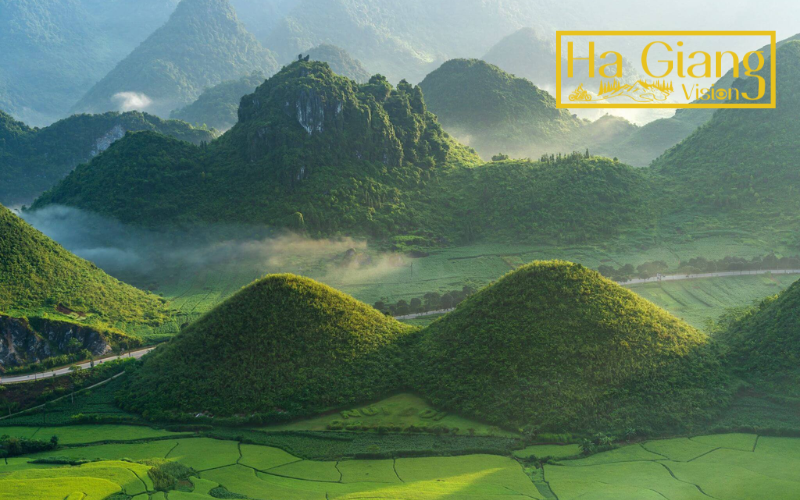
From the gate, visitors can also catch a glimpse of the nearby Quan Ba Twin Mountains, known as the “Fairy Bosom''. Local legend tells of a mountain fairy who fell in love with a Hmong man. Their love produced a child, but when the fairy was forced to return to heaven, she left her breasts behind to nourish the child. These became the twin peaks, adding layers of myth to the natural wonder.
For locals, Heaven Gate is more than a viewpoint-it represents a symbolic threshold to Ha Giang’s highlands. It is also a common place where ethnic minority traders stop, adding touches of cultural vibrancy to the natural grandeur.
Sung La
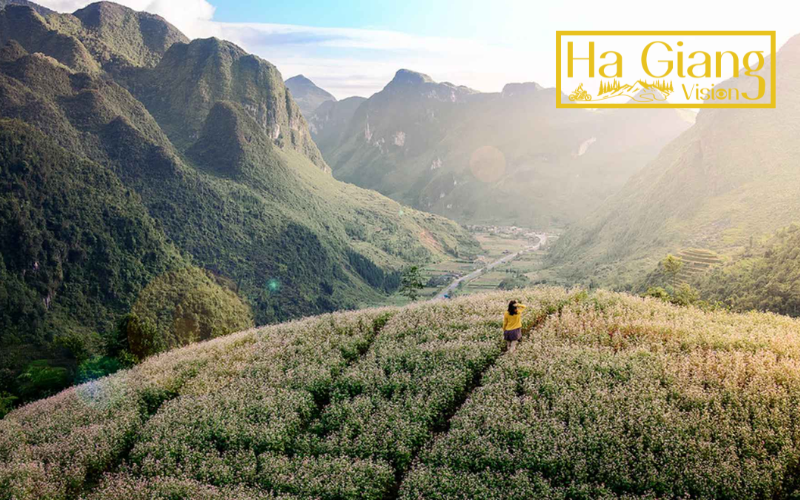
Sung La is often described as Ha Giang’s “valley of flowers,” a name that reflects its ever-changing palette across the seasons. Tucked among jagged limestone mountains, this valley is a tranquil blend of stone houses, small villages, and fields of blooming crops. Its quiet beauty even earned it a role in Vietnamese cinema, notably the film Pao’s Story.
For those who visit Ha Giang in search of authenticity, Sung La offers a glimpse into daily life untouched by time. Here, Hmong and Lo Lo families go about their routines—women weaving cloth, children playing among cornfields, and smoke rising gently from kitchen hearths. The stone fences surrounding traditional houses add a rustic character rarely found elsewhere in Vietnam.
Autumn is especially enchanting when buckwheat flowers blanket the valley in soft shades of pink and purple. Combined with golden rice terraces, Sung La offers one of the most photogenic settings along the Ha Giang Loop.
Pao’s House
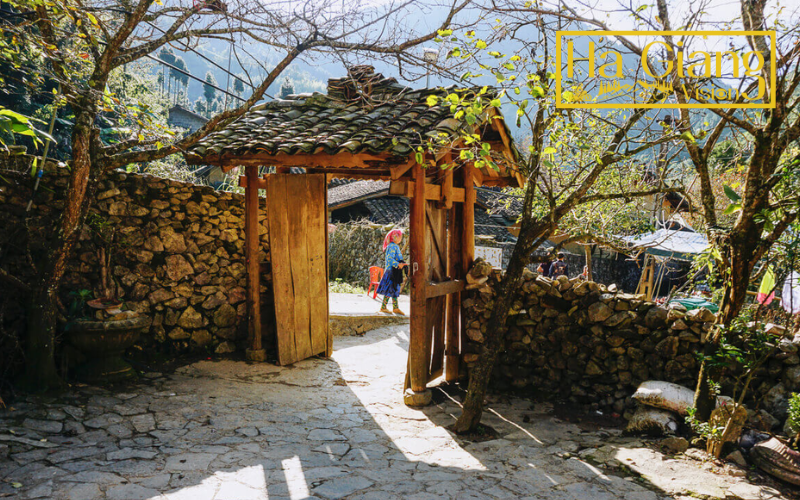
Located within Sung La Valley, Pao’s House is a traditional Hmong dwelling that became famous after appearing in the award-winning movie Pao’s Story. Built with stone walls, wooden beams, and clay roofs, it represents the classic architecture of Hmong families in northern Vietnam.
Visitors stepping into the house can immediately sense its authenticity. The courtyard, barns, and kitchen remain preserved as they were decades ago. Household items such as looms, wooden stools, and handmade textiles give a glimpse into a lifestyle closely tied to farming and community.
What makes Pao’s House truly special is its connection to both culture and cinema. Travelers not only experience an architectural treasure but also walk into a piece of Vietnam’s film history. For photographers, the stone walls against fields of corn and flowers create striking compositions.
Palace of the King of Meo (Hmong King’s Palace)
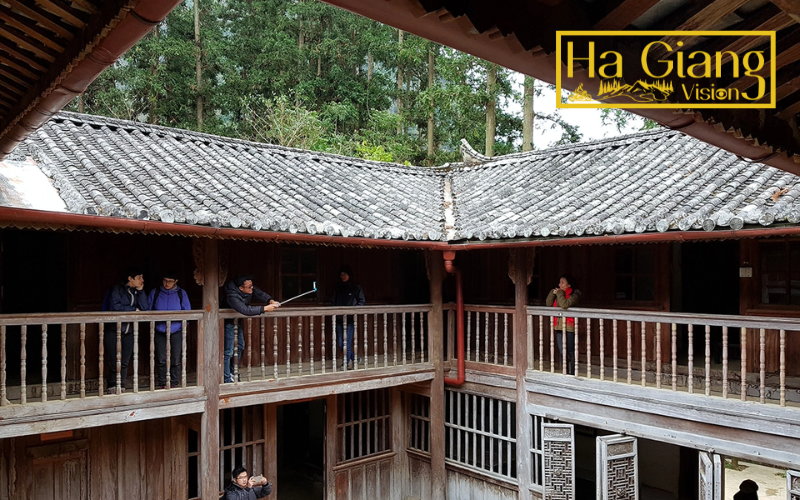
Deep in Sa Phin Valley stands the Palace of the Hmong King, a mansion built in the early 20th century. Designed with influences from Chinese, French, and Hmong styles, the palace served as the residence of the powerful Vuong family, who once controlled opium trade routes across the region.
Walking through its stone walls, wooden carvings, and tiled courtyards feels like stepping back in time. Each corner reflects the blend of cultural elements that shaped Ha Giang’s history. Rooms once used for political meetings and storerooms for opium now act as reminders of a bygone era.
Beyond its historical importance, the palace provides insight into the power and influence ethnic leaders once held. It is a striking stop that combines cultural heritage with architectural beauty, allowing travelers to explore more than just natural landscapes on their Ha Giang journey.
Dong Van Old Quarter
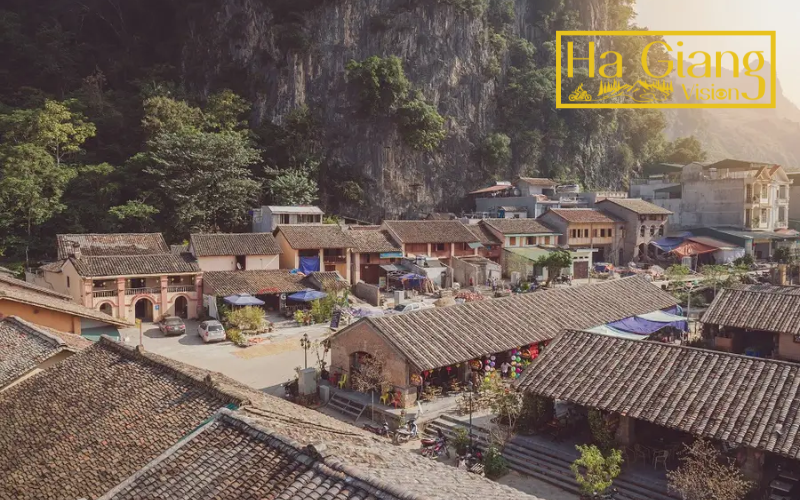
Dong Van Old Quarter is a lively cultural hub in Ha Giang. Established in the early 20th century, this small town center combines French colonial houses with traditional Hmong architecture, creating a unique streetscape. Lanterns, tiled roofs, and narrow lanes give it an intimate charm.
During the day, the quarter buzzes with local life-shops selling tea, brocade, and handicrafts line the streets. At night, the quarter glows with warm lights, offering visitors a chance to sip corn wine or enjoy local dishes in family-run eateries.
On weekends, Dong Van hosts a bustling market where ethnic groups such as the Hmong, Tay, and Dao gather. Dressed in colorful traditional costumes, they come not only to trade but also to socialize, making it an unmissable cultural experience for travelers.
Dong Van Karst Plateau (UNESCO Geopark Landscapes)
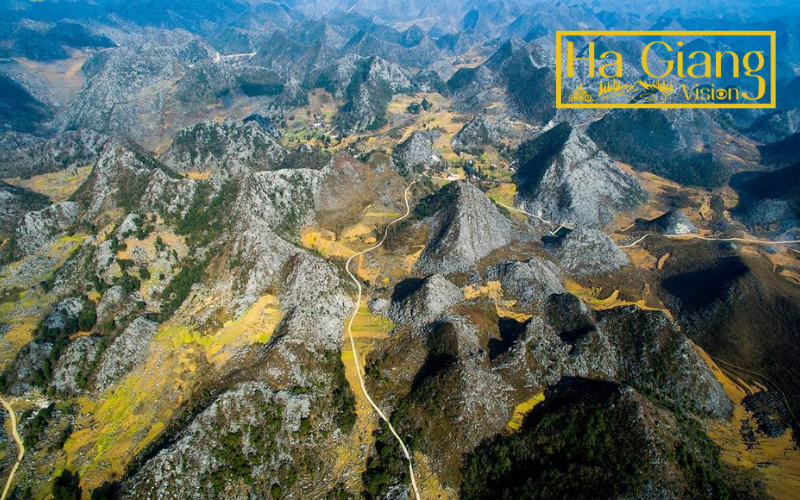
The Dong Van Karst Plateau is the crown jewel of Ha Giang, recognized by UNESCO as a Global Geopark. Spanning four districts, it is a landscape of jagged limestone mountains, deep canyons, and valleys shaped by millions of years of geological evolution.
Traveling through the plateau reveals breathtaking contrasts: sheer cliffs, winding passes, and small villages clinging to the mountainsides. Caves, fossils, and unique rock formations testify to its geological significance. Yet, it’s not only about rocks-the plateau is also home to over 250,000 people from 17 different ethnic groups.
The cultural diversity here is as striking as the scenery. Villages keep ancient traditions alive through colorful festivals, stone houses, and terrace farming. For many travelers, the plateau is where Ha Giang’s raw nature and vibrant humanity meet most profoundly.
Lung Cu Flag Tower
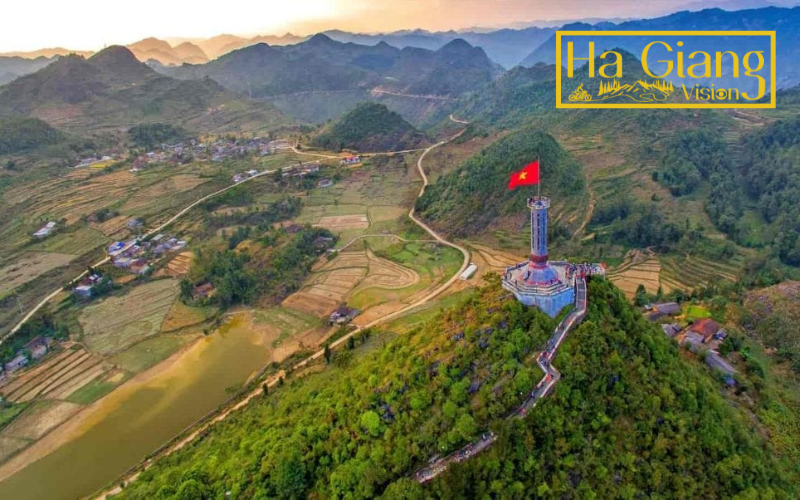
Standing proudly at Vietnam’s northernmost point, Lung Cu Flag Tower is a symbol of national pride. Perched atop Dragon Mountain at nearly 1,500 meters, the tower flies a giant red flag that can be seen from miles away, marking the country’s border with China.
Climbing the 389 steps to the top rewards visitors with sweeping views of rugged mountains and valleys. Below, small villages with traditional houses and farmlands create a patchwork of human life against a wild backdrop. On clear days, the panorama stretches far into the horizon.
For many Vietnamese, Lung Cu is not just a scenic stop but a patriotic pilgrimage. For international visitors, it offers both cultural meaning and unmatched landscapes, making it a must-visit stop along the Ha Giang Loop.
Lo Lo Chai Village
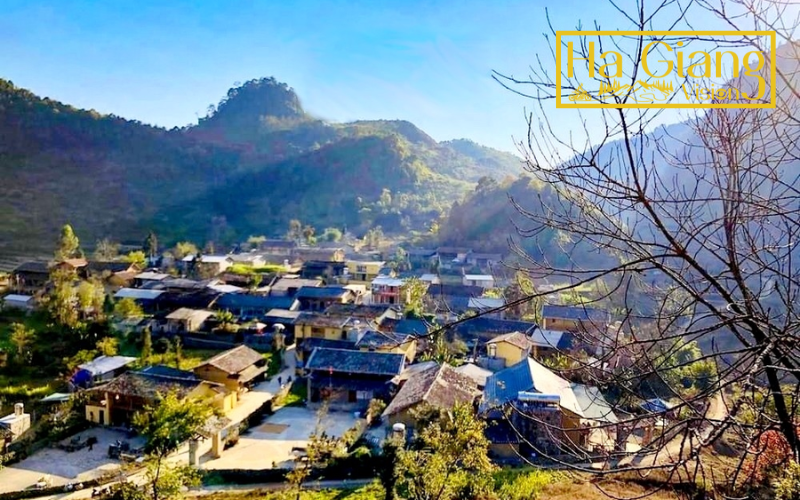
Nestled at the foot of Lung Cu Flag Tower, Lo Lo Chai is a traditional village of the Lo Lo ethnic minority. Known for their unique stilt houses made of stone and wood, the village preserves a way of life that feels unchanged by time.
Visitors are welcomed by friendly locals dressed in bright, handwoven costumes adorned with intricate embroidery. The rhythm of daily life-children playing, families preparing meals, elders weaving-unfolds naturally for travelers to witness.
What makes Lo Lo Chai truly special is its authenticity. Unlike tourist-oriented villages elsewhere, this community offers genuine hospitality. Staying in a homestay here provides opportunities to share meals, learn local songs, and connect directly with Ha Giang’s cultural heart.
Ma Pi Leng Pass
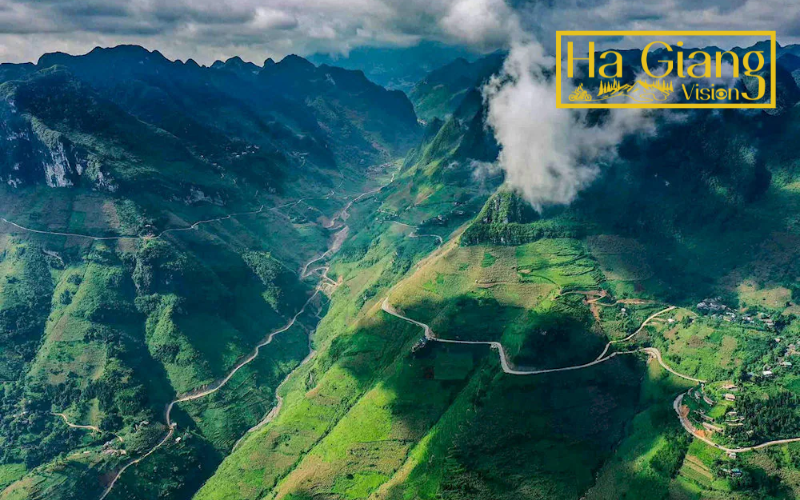
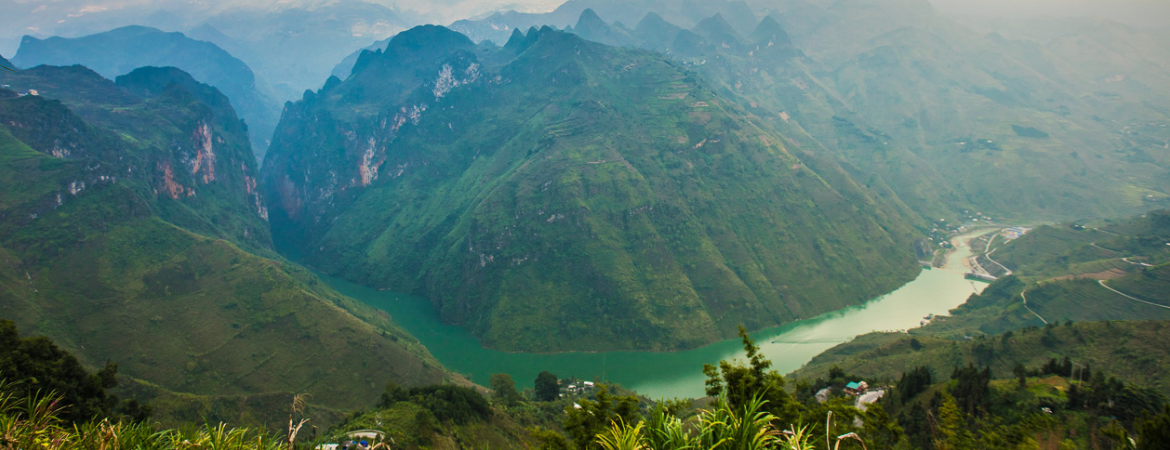
Ma Pi Leng Pass is often called the most beautiful road in Vietnam. Stretching for 20 kilometers between Dong Van and Meo Vac, the pass clings to cliffs high above the jade-green Nho Que River. The views are so dramatic that many travelers find it the highlight of their entire journey.
The scenery here is overwhelming-vertical limestone walls drop into deep gorges, while winding roads snake along the mountain edges. On clear days, the turquoise river sparkles far below, contrasting against gray cliffs and green forests.
Adventurous travelers can take a boat trip along the Nho Que River to admire the pass from below. Whether from the saddle of a motorbike or the deck of a boat, Ma Pi Leng delivers unforgettable perspectives of Ha Giang’s raw grandeur.
Nho Que River
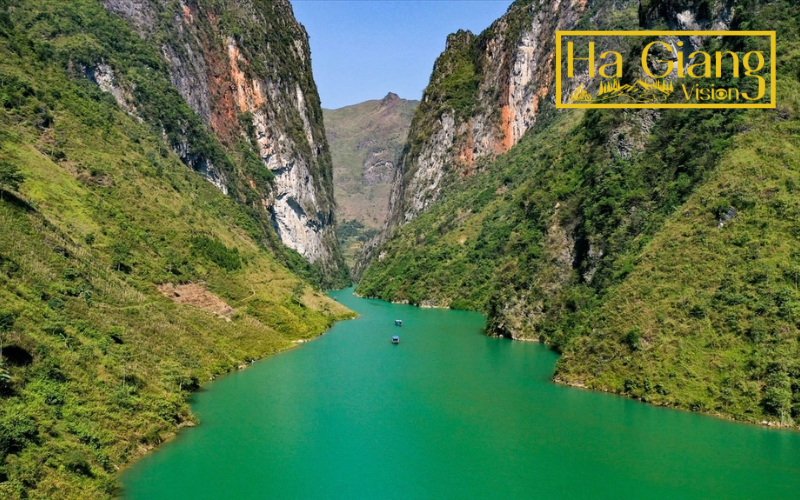
The Nho Que River winds gracefully through the jagged mountains of Ha Giang, carving deep gorges and creating one of Vietnam’s most dramatic natural landscapes. Its turquoise waters contrast beautifully with the towering cliffs of Ma Pi Leng Pass, making it an unforgettable sight for those traveling along the Loop.
When you visit Ha Giang, a boat trip along the Nho Que River is a must-do experience. From the water, travelers can admire the sheer scale of the Ma Pi Leng Canyon—the deepest in Vietnam—and enjoy a peaceful ride surrounded by breathtaking scenery. The river is particularly enchanting in the morning, when mist lingers over the water and the limestone cliffs glow under the first light.
Beyond the views, the river is also a lifeline for local ethnic communities. Villages along its banks depend on the river for farming and fishing, giving visitors a chance to witness the close bond between people and nature. Whether admired from above or experienced on a boat, the Nho Que River is one of the most defining images of Ha Giang’s rugged beauty.
Meo Vac
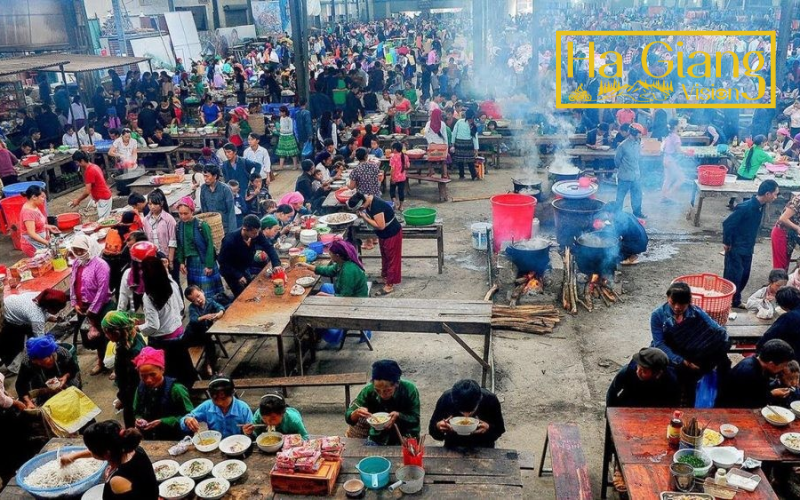
Meo Vac is a small mountain town surrounded by towering peaks and valleys. While less famous than Dong Van, it offers a more authentic look at daily life in the highlands. Farmers tending buffalo, children walking to school, and locals weaving cloth make up the rhythm of the town.
Every Sunday, Meo Vac bursts into life with its weekly market. Ethnic groups from surrounding villages descend in colorful dress to trade livestock, textiles, and produce. The market is as much a social event as it is an economic one, filled with laughter, chatter, and shared corn wine.
For travelers, Meo Vac is both a cultural stop and a gateway to the Ma Pi Leng Pass. Its combination of rugged scenery and vibrant community makes it an essential part of the Ha Giang Loop.
Khau Vai Love Market
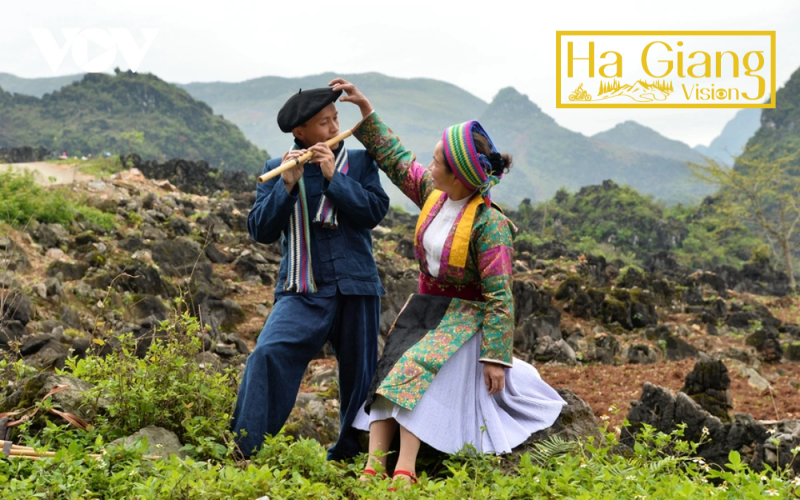
Khau Vai Love Market is one of Vietnam’s most unique cultural festivals, held once a year in late spring. Unlike ordinary markets, it is a gathering for former lovers to meet again, regardless of whether they are married to others. The event has been celebrated for more than a century.
The atmosphere is festive, with traditional music, dance, and ethnic games filling the valley. Young men and women also see the market as a chance to meet new partners, making it both a romantic and social occasion.
Even if your trip doesn’t coincide with the annual event, Khau Vai is worth visiting for its landscapes and cultural stories. But attending during festival time offers a rare chance to witness Ha Giang’s traditions in their most vibrant form.
Hoang Su Phi
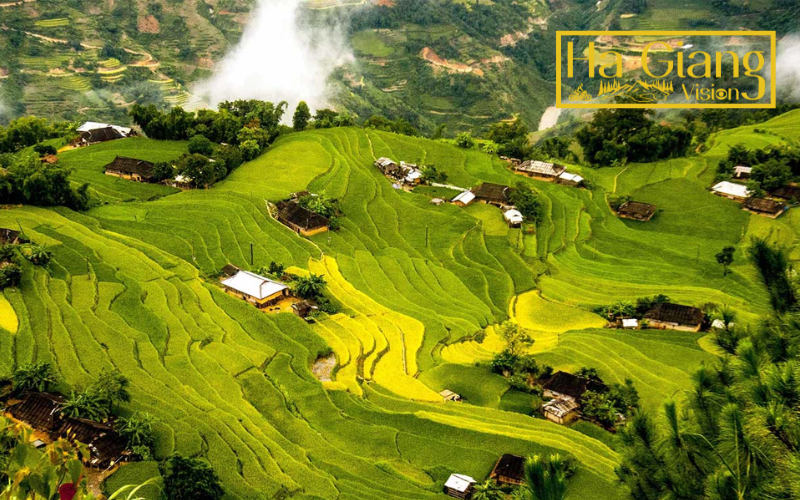
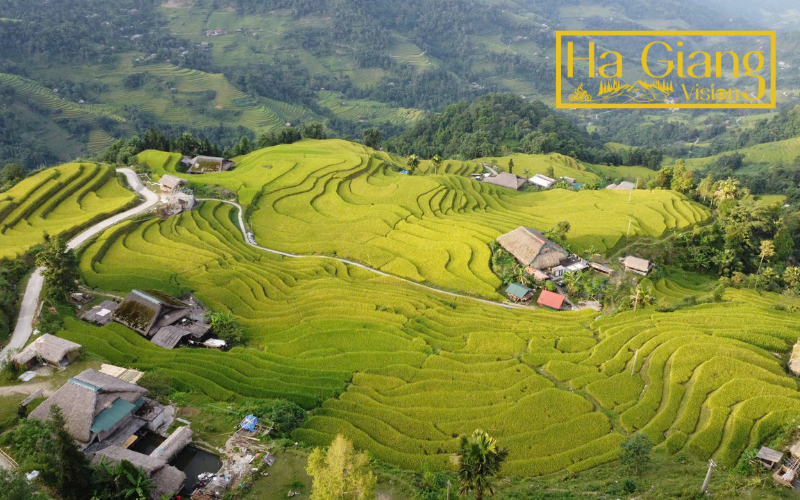
Located on the western side of Ha Giang province, Hoang Su Phi is renowned for its terraced rice fields that cascade down mountainsides like golden waves. Unlike other attractions on the loop, this area is best visited during harvest season from September to October.
The landscapes here are less rugged but equally breathtaking, with lush valleys and remote ethnic villages scattered across the hills. The terraces, built over centuries, reflect the ingenuity of Tay, Nung, and Dao communities who farm these steep slopes.
For travelers seeking quieter experiences, Hoang Su Phi offers trekking opportunities and authentic homestays. Staying here provides insight into local farming traditions and a chance to witness one of Vietnam’s most iconic agricultural landscapes.
Conclusion
To visit Ha Giang is to step into one of Vietnam’s most unspoiled and culturally rich destinations. If you are planning a journey through northern Vietnam, make sure to include this province on your list. A trip to Vietnam Ha Giang will leave you with not only photographs, but also memories of a place where nature and tradition remain beautifully intact.
Ready for an unforgettable journey? Start planning your adventure through Ha Giang Vision today.
Have 0 comment, evaluate Top 10+ Must-See Destinations When You Visit Ha Giang
Xin chào quý khách. Quý khách hãy để lại bình luận, chúng tôi sẽ phản hồi sớm