
Typhoon in Vietnam & What to Know Before Doing the Ha Giang Loop
Season of Typhoon in Vietnam

The season of typhoon in Vietnam usually runs from June to November, sometimes extending into early December. These storms form over the western Pacific and move toward Vietnam, bringing heavy rain, strong winds, and sometimes dangerous flooding.
The peak months are August, September, and October, when Vietnam experiences the highest number of typhoons.
The northern region, including Hanoi and Ha Giang, tends to receive heavy rains and occasional flash floods during these months.
The central coast is often hit more directly, but mountain areas in the north still suffer from landslides and road damage.
Read more: Best time to visit Ha Giang
Impacts of Storm in Vietnam on Ha Giang
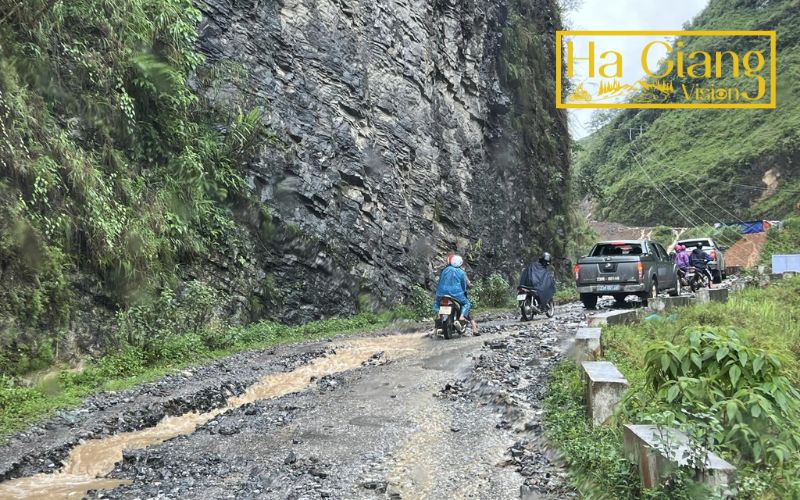
Although Ha Giang is located inland and not directly on the coast where storms usually make landfall, it still suffers indirect impacts of typhoon in Vietnam. The mountainous terrain makes the province particularly vulnerable to weather changes caused by typhoons.
Here are the main effects travelers should be aware of:
Heavy rain: Continuous downpours can make roads slippery and dangerous for motorbike riders.
Flooding and deep inundation: Low-lying areas and valleys may flood quickly after a storm.
Landslides and infrastructure damage: Mountain roads can collapse, causing serious hazards for travelers.
Transport disruptions: Roadblocks and damaged bridges often delay journeys. Public buses and tours may also be canceled.
Limited activities: Some trekking routes, homestays in remote villages, and outdoor excursions may close temporarily for safety reasons.
Safety Tips for Ha Giang Loop During Typhoon Season in Vietnam
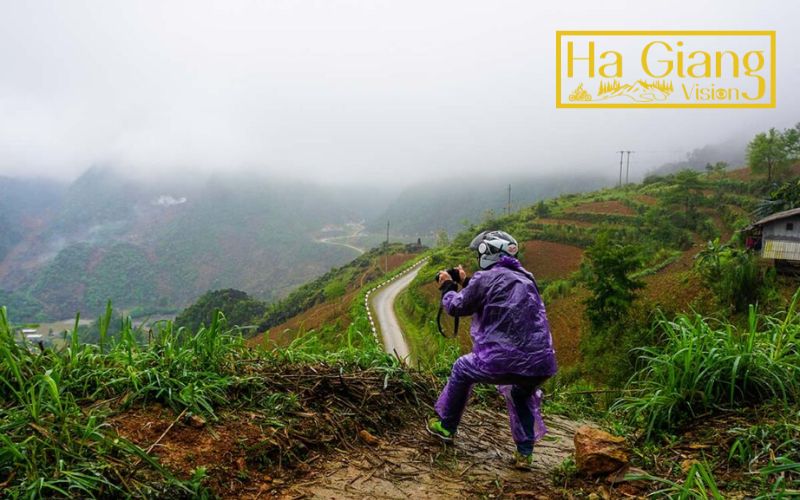
Many travelers ask: ''Is it safe to do the Ha Giang Loop during the season of typhoon in Vietnam?'' The answer depends on preparation. If you already booked a tour, rented a bike, or made plans, you don’t necessarily have to cancel your trip, but you should take precautions.
Here are key safety tips to follow:
Check the Ha Giang weather forecast daily - Local forecasts are more accurate than national reports for mountain areas.
Keep a flexible itinerary - Be ready to adjust your route or spend an extra night if conditions worsen.
Do not travel alone - Riding with other travelers or joining a tour increases safety if emergencies occur.
Hire a local guide - Locals know which roads are safe, where landslides are common, and how to reroute if necessary.
Avoid riding at night - Visibility is poor, and sudden landslides or fallen rocks are harder to detect.
Carry waterproof gear - Rain jackets, dry bags, and proper shoes will make a big difference in comfort and safety.
Stay updated on local news - Ask your homestay hosts or tour operators about current conditions after each storm.
Final Thoughts
Traveling during the rainy season requires extra planning, but with the right precautions, you can still complete the Ha Giang Loop safely. Understanding the typhoon season in Vietnam, staying informed about the Ha Giang weather forecast, and being cautious during a Ha Giang typhoon will help you avoid unnecessary risks.
For the safest and most memorable journey, book an easy rider with Ha Giang Vision, a seasoned local guide who ensures both safety and authentic experiences. Remember: safety first, adventure second!
Have 0 comment, evaluate Typhoon in Vietnam & What to Know Before Doing the Ha Giang Loop
Xin chào quý khách. Quý khách hãy để lại bình luận, chúng tôi sẽ phản hồi sớm